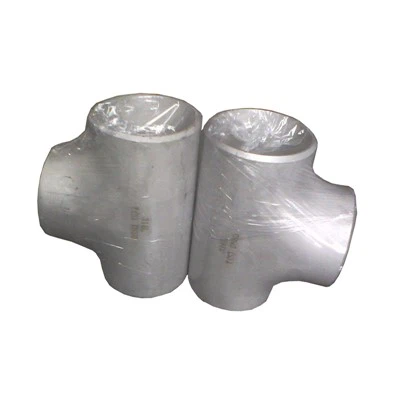
As a reliable alloy steel tee supplier, I understand the critical importance of ensuring the quality and performance of our products. Alloy steel tees are widely used in various industries, including oil and gas, petrochemical, power generation, and more, where they play a crucial role in fluid and gas distribution systems. To guarantee that our alloy steel tees meet the highest standards, we conduct a comprehensive range of inspection items throughout the manufacturing process. In this blog post, I will share with you the key inspection items for alloy steel tees.
1. Raw Material Inspection
The quality of the raw materials is the foundation of a high - quality alloy steel tee. When the raw materials arrive at our factory, we immediately initiate a series of inspections.
- Chemical Composition Analysis: We use advanced spectrometers to analyze the chemical composition of the alloy steel. This inspection is essential because the chemical composition directly affects the mechanical properties, corrosion resistance, and heat resistance of the tee. For example, elements like chromium can enhance corrosion resistance, while nickel can improve toughness. By ensuring that the chemical composition meets the specified standards, we can guarantee the performance of the final product.
- Physical Property Testing: Physical property tests, such as hardness testing and tensile strength testing, are carried out on the raw materials. Hardness testing is typically performed using a hardness tester, which measures the resistance of the material to indentation. Tensile strength testing, on the other hand, determines the maximum stress that the material can withstand before breaking. These tests help us verify that the raw materials have the appropriate physical properties for the intended application of the alloy steel tee.
2. Dimensional Inspection
Accurate dimensions are crucial for the proper installation and functionality of alloy steel tees. We conduct dimensional inspections at multiple stages of the manufacturing process.
- Outer Diameter and Wall Thickness: Using precision measuring tools such as calipers and micrometers, we measure the outer diameter and wall thickness of the tee at various points. Any deviation from the specified dimensions can lead to installation problems or affect the flow characteristics of the fluid or gas passing through the tee. For instance, if the wall thickness is too thin, the tee may not be able to withstand the pressure, while an incorrect outer diameter can cause issues with pipe connections.
- Branch and Run Length: The length of the branch and the run of the tee must also be carefully measured. These dimensions are critical for ensuring that the tee fits correctly into the pipeline system. We use measuring tapes and laser measuring devices to obtain accurate length measurements.
3. Surface Quality Inspection
The surface quality of alloy steel tees can have a significant impact on their performance and appearance.
- Visual Inspection: Our experienced inspectors conduct a thorough visual inspection of the tee's surface. They look for any visible defects such as cracks, scratches, porosity, and inclusions. Cracks can compromise the structural integrity of the tee, while scratches can provide a starting point for corrosion. Porosity and inclusions can also affect the mechanical properties of the material.
- Non - Destructive Testing (NDT): In addition to visual inspection, we also use non - destructive testing methods to detect internal and surface defects that may not be visible to the naked eye. Ultrasonic testing (UT) is used to detect internal flaws such as cracks and voids within the material. Magnetic particle testing (MT) is effective for detecting surface and near - surface defects in ferromagnetic materials. Liquid penetrant testing (PT) can be used to detect surface - opening defects on non - porous materials.
4. Weld Quality Inspection (if applicable)
Many alloy steel tees are manufactured through welding processes. Ensuring the quality of the welds is of utmost importance.
- Weld Visual Inspection: Similar to surface quality inspection, welds are visually inspected for any obvious defects such as lack of fusion, undercut, and excessive spatter. These defects can weaken the weld joint and reduce the overall strength of the tee.
- Weld NDT: Non - destructive testing methods are also applied to the welds. Radiographic testing (RT) can be used to detect internal defects in the weld, such as porosity and incomplete penetration. Ultrasonic testing can also be used to evaluate the quality of the weld by detecting flaws within the weld metal and the heat - affected zone.
5. Pressure Testing
Pressure testing is a crucial step to ensure that the alloy steel tee can withstand the operating pressure in the pipeline system.
- Hydrostatic Testing: In hydrostatic testing, the tee is filled with water and pressurized to a specified level for a certain period of time. This test helps to detect any leaks or weaknesses in the tee. During the test, the tee is carefully monitored for any signs of pressure drop or visible leakage.
- Pneumatic Testing: Pneumatic testing, which uses air or gas instead of water, is sometimes used when water is not suitable for the application. However, pneumatic testing is more dangerous than hydrostatic testing due to the potential for sudden and violent release of energy in case of a failure. Therefore, strict safety precautions must be taken during pneumatic testing.
6. Heat Treatment Inspection
Heat treatment is often used to improve the mechanical properties of alloy steel tees. We conduct inspections to ensure that the heat treatment process has been carried out correctly.
- Hardness Testing after Heat Treatment: After heat treatment, the hardness of the tee is measured again. The hardness should be within the specified range, indicating that the heat treatment has achieved the desired effect. Deviations from the expected hardness can indicate problems with the heat treatment process, such as incorrect heating or cooling rates.
- Microstructure Analysis: Microstructure analysis is performed to examine the internal structure of the material after heat treatment. This analysis helps us determine if the heat treatment has resulted in the desired phase transformation and grain structure. A proper microstructure is essential for the mechanical properties and performance of the alloy steel tee.
Conclusion
As an alloy steel tee supplier, we are committed to providing our customers with high - quality products. By conducting comprehensive inspection items at every stage of the manufacturing process, we can ensure that our alloy steel tees meet the strictest quality standards. Whether you are looking for a Black Pipe Tee, a Gas Line Tee Fitting, or a 1 Inch Tee Fitting, you can trust our products to deliver reliable performance.


If you are interested in purchasing alloy steel tees or have any questions about our products, please feel free to contact us for further discussion and procurement negotiation. We look forward to serving you and meeting your piping system needs.
References
- ASME B16.9 - Factory - Made Wrought Buttwelding Fittings
- ASTM A234 - Standard Specification for Piping Fittings of Wrought Carbon Steel and Alloy Steel for Moderate and High - Temperature Service
- API 5L - Specification for Line Pipe