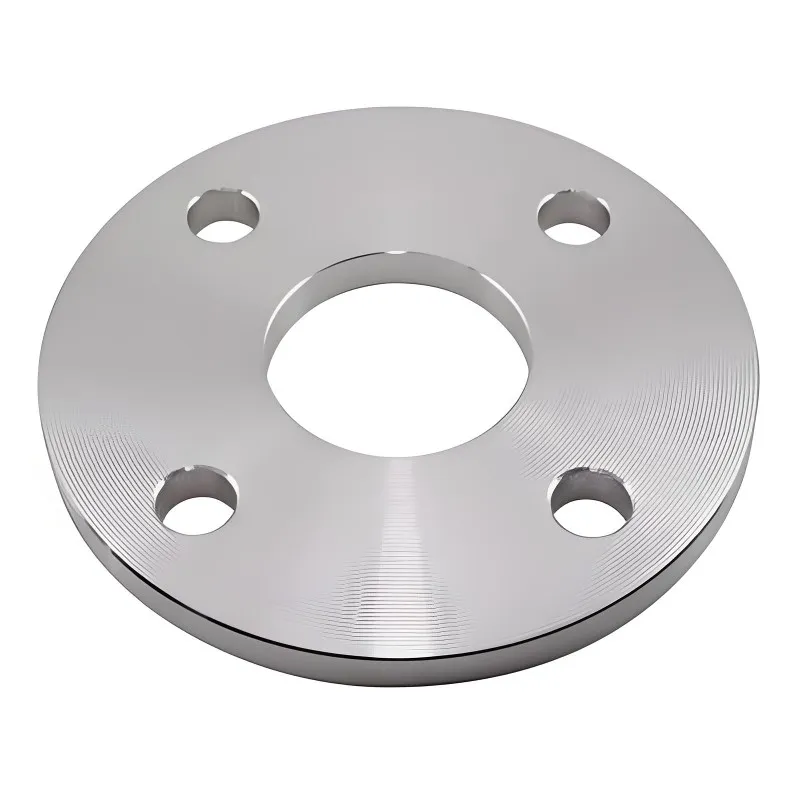
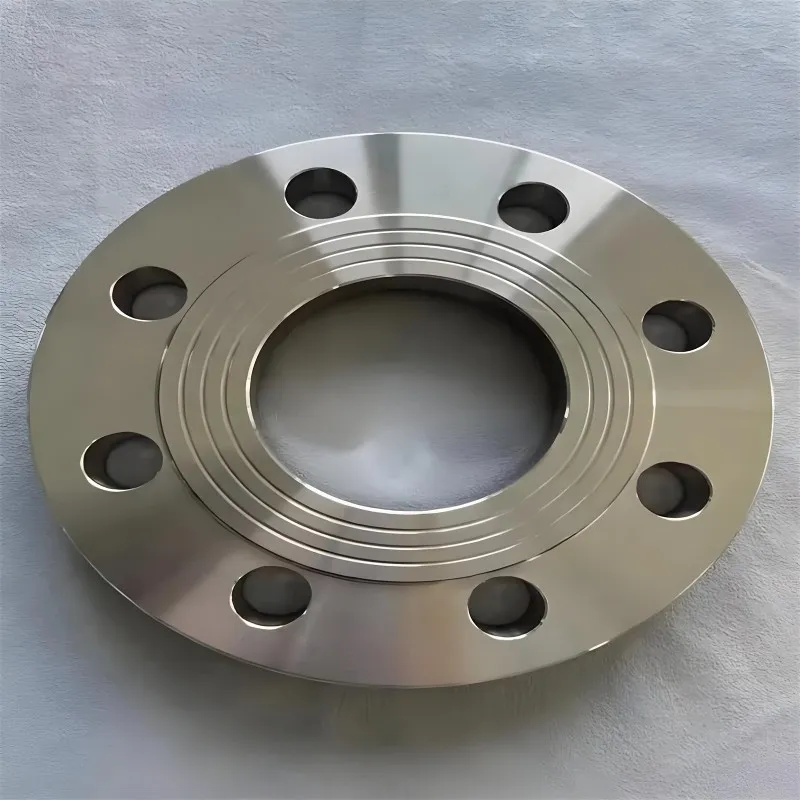
PLATE FLANGES SORF FLANGES
The core difference between SORF (with neck flat welding flange) and PL (plate flat welding flange) lies in their structure: SORF has a short neck, better rigidity, and is suitable for medium and low pressure; PL is a pure plate type, neckless, lowest cost, and only suitable for low pressure.
1, Basic Definition
PL flange: Plate welding flange
Structure: No neck, it is a circular plate with bolt holes
SORF flange (Slip On Raised Face Flange): with neck flat welding raised face flange
Structure: With a short neck (Hub), there is a transition neck between the flange and the pipeline.
2, Comparison of core differences
1. Structure and Welding
PL (Plate)
No neck, pure flat plate structure.
After the pipeline is inserted, only one weld is made on the outer corner.
The welding workload is small, but the connection strength is low.
SORF (with neck flat welding)
There is a short neck that forms steps.
After inserting the pipeline, weld two inner and outer corner welds.
The weld seam is longer, and the connection strength and rigidity are higher.
2. Pressure and temperature range
PL:
Pressure: PN0.25~PN2.5 (usually up to PN40).
Temperature: -20 ℃~350 ℃.
Applicable: Low pressure, room temperature, stable working conditions.
SORF:
Pressure: PN10~PN63/Class 150~600.
Temperature: -20 ℃~450 ℃ (higher if material allows).
Applicable: Medium and low pressure, temperature/pressure fluctuations.
3. Sealing surface
PL:
Commonly used: flat surface (FF), protruding surface (RF).
SORF:
Standard: RF (RF stands for protruding surface in the name).
The sealing protrusion is higher and the sealing effect is better.
4. Performance and Application
PL characteristics
✅ The lowest cost, simple manufacturing, and fastest installation.
❌ Poor rigidity and resistance to vibration/fatigue.
❌ Cannot be used for: flammable, explosive, high vacuum, highly toxic media.
✅ Applicable: Low pressure civil/general industrial applications such as water, air, sewage, heating, etc.
SORF characteristics
✅ More rigid than PL, better resistance to deformation and vibration.
✅ Can be used for slight pressure/temperature fluctuations.
✅ Applicable to medium and low pressure process pipelines in oil and gas, chemical, power plants, etc.
3, Selection Summary
Select PL flange:
Pressure ≤ PN16/Class 150, room temperature, medium safety (water/gas), tight budget, to be cheap.
Select SORF flange:
Pressure PN16~PN40/Class 300, temperature fluctuations, vibration scenarios, requiring better rigidity and sealing.