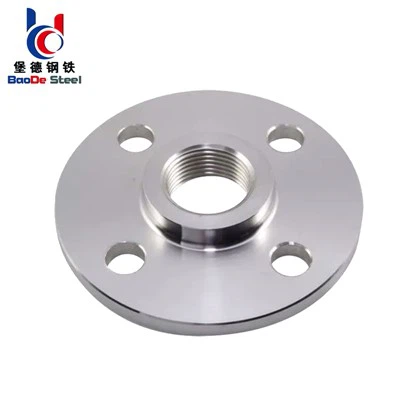
Selecting the right blind flange can be a bit of a head - scratcher, especially if you're new to the game. But don't worry, I'm here to break it down for you. As a blind flange supplier, I've seen it all, and I'm gonna share some tips to help you make the best choice for your project.
Understanding Blind Flanges
First things first, let's talk about what a blind flange is. A blind flange is a solid disk used to close the end of a pipe, valve, or pressure vessel. It's like a cap that seals off the opening, preventing the flow of fluid or gas. Blind flanges are super important in many industries, like oil and gas, chemical processing, and water treatment.
Consider the Size
One of the most crucial factors when selecting a blind flange is the size. You need to make sure the flange fits the pipe or equipment it's going to be attached to. The size is usually determined by the nominal pipe size (NPS) and the pressure rating. For example, if you have a 3 - inch pipe, you'll need a 3 - inch blind flange. You can check out our BLIND FLANGE 3" 300# RF SERRATED SPIRAL FINISH A105N ASME B16.5 for a great option in this size.
The pressure rating is also key. It indicates the maximum pressure the flange can handle. Common pressure ratings include 150#, 300#, 600#, and so on. If the pressure in your system is high, you'll need a flange with a higher pressure rating. For a lower - pressure application, a 150# flange might be sufficient, like our 2 INCH 150# RF BLIND FLANGE.
Material Matters
The material of the blind flange is another big deal. Different materials have different properties, and you need to choose one that can withstand the conditions of your application. Some common materials include carbon steel, stainless steel, and alloy steel.
Carbon steel is a popular choice because it's strong and relatively inexpensive. It's great for general - purpose applications where corrosion isn't a major concern. Stainless steel, on the other hand, is highly resistant to corrosion, making it ideal for applications in harsh environments, like chemical plants or offshore platforms. Alloy steel is used when you need a flange with specific mechanical properties, such as high strength or heat resistance.


Facing Type
The facing type of the blind flange is also something to think about. The facing is the surface that comes into contact with the gasket and the mating flange. There are several types of facings, but the most common one is the raised face (RF). RF blind flanges have a small raised area around the bolt holes, which helps to compress the gasket and create a better seal. You can find a variety of RF Blind Flanges in our product range.
Gasket Compatibility
When you're selecting a blind flange, you also need to consider the gasket that will be used with it. The gasket is what seals the joint between the flange and the pipe or equipment. It's important to choose a gasket that is compatible with the flange material, the fluid or gas in the system, and the operating temperature and pressure. For example, if you're using a carbon steel flange in a high - temperature application, you'll need a gasket that can withstand those temperatures.
Bolt and Nut Selection
Don't forget about the bolts and nuts that will hold the flange in place. The size, material, and grade of the bolts and nuts are important for ensuring a secure and leak - free connection. The bolts should be long enough to pass through the flange holes and have enough thread engagement. The material of the bolts and nuts should be compatible with the flange material to prevent galvanic corrosion.
Quality and Standards
When you're buying a blind flange, you want to make sure it meets the relevant industry standards. Standards like ASME B16.5 ensure that the flange is manufactured to a certain quality and dimensional accuracy. As a supplier, we make sure all our flanges meet these standards, so you can have peace of mind knowing you're getting a high - quality product.
Cost - Benefit Analysis
Of course, cost is always a factor when making a purchase. But don't just go for the cheapest option. You need to consider the long - term cost - benefit. A higher - quality flange might cost more upfront, but it could save you money in the long run by reducing maintenance and replacement costs.
Supplier Reputation
Finally, the reputation of the supplier is important. You want to work with a supplier who has a good track record of providing high - quality products and excellent customer service. As a blind flange supplier, we've been in the business for a long time, and we have a lot of happy customers. We're committed to providing you with the best products and support.
Conclusion
Selecting the right blind flange is a multi - step process that involves considering factors like size, material, facing type, gasket compatibility, and more. By following these tips, you can make an informed decision and choose a flange that will work well for your project.
If you're still not sure which blind flange is right for you, or if you have any questions, don't hesitate to reach out. We're here to help you with your procurement needs. Whether you're a small - scale project manager or part of a large industrial operation, we can provide you with the right blind flange solution. Contact us to start the procurement discussion and get the best blind flange for your application.
References
- ASME B16.5 Standard for Pipe Flanges and Flanged Fittings
- Industry best practices for flange selection and installation