The lifespan of a stainless steel tee is a question I get asked a lot as a stainless steel tee supplier. It's not a one - size - fits - all answer, as there are several factors that can influence how long these tees last. In this blog, I'll break down those factors and give you a better idea of what to expect.
What is a Stainless Steel Tee?
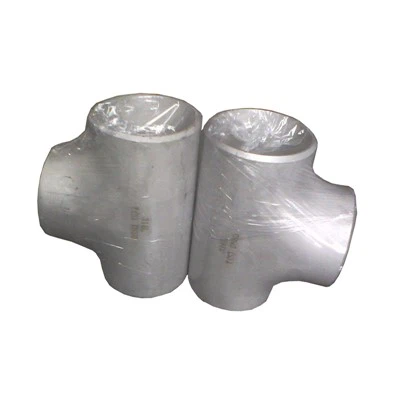
Before we dive into the lifespan, let's quickly go over what a stainless steel tee is. A stainless steel tee is a type of pipe fitting shaped like the letter "T". It's used in plumbing and piping systems to connect three pipes at a 90 - degree angle. They're super versatile and can be found in all sorts of applications, from residential plumbing systems to industrial setups. You can check out our Stainless Steel Tee Pipe Fittings to see the variety we offer.
Factors Affecting the Lifespan of a Stainless Steel Tee
1. Quality of the Stainless Steel
The quality of the stainless steel used to make the tee is a huge factor. There are different grades of stainless steel, and each has its own properties. Higher - grade stainless steels, like 316 stainless steel, are more resistant to corrosion and rust. They contain elements like molybdenum, which gives them extra protection, especially in harsh environments. On the other hand, lower - grade stainless steels may not hold up as well over time. If you're in a situation where the tee will be exposed to corrosive substances, like in a chemical plant, investing in a high - quality tee is a no - brainer.
2. Operating Conditions
The conditions under which the stainless steel tee operates play a significant role in its lifespan. Temperature is a big one. Extreme heat or cold can cause the metal to expand or contract, which can lead to stress and eventually cracks. For example, in a steam pipeline where the temperature fluctuates a lot, the tee has to withstand these changes. Pressure is another important factor. If the pressure in the piping system is too high, it can put a lot of strain on the tee, potentially causing it to fail prematurely.
3. Chemical Exposure
If the stainless steel tee comes into contact with chemicals, it can affect its lifespan. Some chemicals are more corrosive than others. For instance, in a swimming pool plumbing system, the chlorine in the water can be corrosive to the tee over time. In industrial settings, there could be all sorts of chemicals flowing through the pipes, like acids or alkalis. The more corrosive the chemicals, the shorter the lifespan of the tee if it's not made from the right grade of stainless steel.
4. Installation
Proper installation is crucial. If the tee is not installed correctly, it can lead to problems down the road. For example, if the pipes are not properly aligned when connecting to the tee, it can cause uneven stress on the fitting. This can lead to leaks or even structural failure. It's always a good idea to have a professional install the stainless steel tee to ensure it's done right.
Typical Lifespan Estimates
Under normal operating conditions, a high - quality stainless steel tee can last anywhere from 20 to 50 years. In a residential plumbing system, where the conditions are relatively mild (no extreme temperatures or harsh chemicals), a well - made tee can easily last 30 to 50 years. However, in an industrial environment with more demanding conditions, like in a refinery or a chemical plant, the lifespan may be closer to 20 years.
Let's say you're using a Natural Gas Line Tee Fitting in a natural gas distribution system. If it's installed correctly and the gas is clean (no contaminants), the tee can last a long time. But if there are impurities in the gas or if the installation was sub - par, the lifespan could be significantly reduced.
Maintenance and Lifespan Extension
Regular maintenance can extend the lifespan of a stainless steel tee. Inspecting the tee for signs of corrosion, leaks, or damage on a regular basis is important. If you notice any issues early on, you can take steps to fix them before they become major problems. Cleaning the tee regularly can also help remove any deposits or contaminants that could cause corrosion. For example, if you have a 1 Inch Stainless Steel Tee in a water line, sediment can build up inside the tee over time. Flushing the system periodically can prevent this buildup.
Another aspect of maintenance is checking the connections. Make sure the joints between the tee and the pipes are tight and secure. Over time, vibrations or temperature changes can cause these connections to loosen. Tightening them as needed can prevent leaks and ensure the tee continues to function properly.
When to Replace a Stainless Steel Tee
Even with proper maintenance, there comes a time when a stainless steel tee needs to be replaced. Look out for signs like visible corrosion, leaks, or cracks. If you notice any of these, it's best to replace the tee as soon as possible to avoid bigger problems, like a pipe burst or a gas leak. Sometimes, the tee may not show obvious signs of damage, but if it's been in use for a long time and you're in a high - risk environment, it may be a good idea to replace it proactively.
Conclusion
The lifespan of a stainless steel tee depends on a variety of factors, including the quality of the stainless steel, operating conditions, chemical exposure, and installation. With proper care and maintenance, these tees can last a long time, providing reliable service in a wide range of applications.


If you're in the market for stainless steel tees, whether it's a Natural Gas Line Tee Fitting, Stainless Steel Tee Pipe Fittings, or a 1 Inch Stainless Steel Tee, we've got you covered. We offer high - quality products that are designed to last. If you have any questions or want to discuss your specific needs, feel free to reach out. We're here to help you make the right choice for your project.
References
- ASME B31.3 Process Piping Code
- ASTM Standards for Stainless Steel
- Manufacturer's Guidelines for Stainless Steel Pipe Fittings