Do gas pipe reducers need to be calibrated? That's a question I get asked a lot as a gas pipe reducer supplier. In this blog, I'll share my thoughts on this topic and give you some insights based on my experience in the industry.
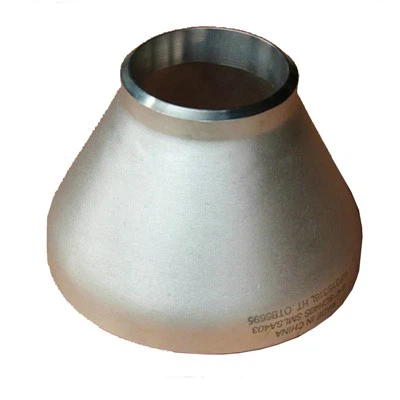
First off, let's understand what gas pipe reducers are. Gas pipe reducers are fittings used in piping systems to connect pipes of different diameters. They play a crucial role in ensuring that the gas flows smoothly through the pipeline, adjusting the flow rate and pressure as needed. For example, a 3 Inch To 2 Inch Reducer can be used when you need to transition from a 3-inch pipe to a 2-inch pipe in a gas distribution system.
Now, onto the big question: Do they need to be calibrated? Well, it depends on a few factors.
Factors Influencing the Need for Calibration
1. Application Requirements
In some industrial applications where precision is key, calibration might be necessary. For instance, in a chemical plant where the gas flow rate and pressure need to be tightly controlled, even a small deviation in the reducer's performance can lead to significant issues. In such cases, calibrating the gas pipe reducers can help ensure that the system operates within the specified parameters.
On the other hand, in more general residential or commercial gas systems, the requirements might not be as strict. These systems are designed to handle a certain degree of variability, and as long as the reducer is properly sized and installed, calibration might not be essential.
2. Quality of the Reducer
The quality of the gas pipe reducer itself plays a big role. High - quality reducers are manufactured to strict standards, which means they are more likely to perform as expected without the need for calibration. When you buy a well - made 3 Inch To 2 Inch Pipe Reducer from a reputable supplier, you can have more confidence in its performance.
However, if you're using a lower - quality reducer, there might be more variation in its dimensions and internal characteristics. This can lead to inconsistent flow and pressure, making calibration a good idea to ensure optimal performance.
3. System Complexity
Complex gas systems with multiple components and branches are more likely to require calibration. In these systems, the interaction between different parts can affect the overall performance of the reducers. For example, if there are valves, regulators, and other fittings in the pipeline, the pressure and flow patterns can change, and calibration can help fine - tune the reducers to work in harmony with the rest of the system.
The Calibration Process
If you do decide that calibration is necessary, here's what the process might look like.
First, you need to measure the key parameters of the gas pipe reducer. This includes the inner diameter, the length, and the taper angle. These measurements are crucial as they directly affect the flow rate and pressure drop across the reducer.
Next, you'll use specialized equipment to test the reducer under different flow conditions. This can involve measuring the pressure at the inlet and outlet of the reducer and recording the flow rate. Based on these measurements, adjustments can be made to the reducer to ensure that it meets the desired performance criteria.
It's important to note that calibration should be done by trained professionals using accurate equipment. Otherwise, the results might not be reliable, and you could end up with a reducer that still doesn't perform as expected.
Benefits of Calibration
Even if calibration isn't always necessary, there are some definite benefits to getting your gas pipe reducers calibrated.
1. Improved Performance
Calibration can optimize the flow of gas through the reducer, reducing pressure drop and ensuring a more consistent flow rate. This can lead to better overall system efficiency and can help prevent issues such as gas leaks or equipment malfunctions.
2. Extended Lifespan
When a gas pipe reducer is calibrated correctly, it operates under more stable conditions. This reduces the wear and tear on the reducer, which can extend its lifespan. This means you won't have to replace the reducer as often, saving you money in the long run.


3. Compliance
In some industries, there are strict regulations regarding the performance of gas systems. Calibrating your gas pipe reducers can help you meet these regulations, avoiding potential fines and legal issues.
Our Role as a Supplier
As a gas pipe reducer supplier, we understand the importance of providing high - quality products. We source our reducers from trusted manufacturers who adhere to strict quality control standards. This means that in many cases, our customers can use our reducers without the need for calibration.
However, we also recognize that every application is unique. That's why we offer technical support to our customers. If you're unsure whether your gas pipe reducers need to be calibrated, our team of experts can help you evaluate your situation and make the right decision.
We also have a wide range of gas pipe reducers available, including 2in To 1 Inch Reducer. Whether you're working on a small residential project or a large industrial installation, we can provide you with the right reducer for your needs.
Conclusion
So, do gas pipe reducers need to be calibrated? The answer isn't a simple yes or no. It depends on the application requirements, the quality of the reducer, and the complexity of the system.
If you're in the market for gas pipe reducers and have questions about calibration or any other aspect of our products, don't hesitate to reach out. We're here to help you find the best solutions for your gas piping needs. Whether you need a simple reducer for a home project or a customized solution for an industrial application, we've got you covered. Contact us today to start a conversation about your requirements and let's work together to ensure your gas system operates at its best.
References
- "Piping Handbook" by Cameron Engineering and Associates
- Industry standards and guidelines related to gas piping systems.