Hey there! As a supplier of RF Blind Flanges, I've seen firsthand how important abrasion resistance is for these crucial components. In this blog post, I'm gonna share some tips on how to increase the abrasion resistance of RF Blind Flanges.
Understanding RF Blind Flanges
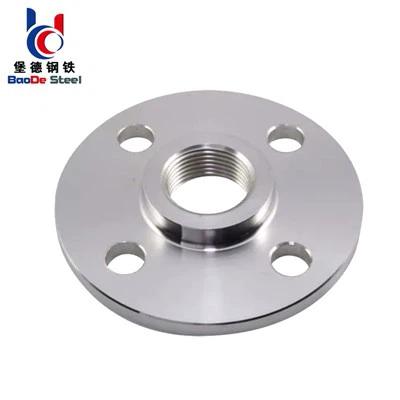
First off, let's quickly go over what RF Blind Flanges are. RF stands for Raised Face, which is a common type of flange face. Blind flanges are used to close the end of a piping system or a vessel. They're super important in various industries like oil and gas, chemical, and power generation. You can check out more about RF Blind Flanges on our website.
Why Abrasion Resistance Matters
Abrasion can cause a lot of problems for RF Blind Flanges. It can lead to leaks, reduce the lifespan of the flange, and even pose safety risks. When the flange is constantly exposed to abrasive materials like sand, gravel, or chemicals, it wears down over time. This can compromise the integrity of the piping system and lead to costly repairs or replacements. So, increasing the abrasion resistance of RF Blind Flanges is crucial for ensuring the long - term performance and safety of the system.
Material Selection
One of the most important factors in increasing abrasion resistance is choosing the right material. Different materials have different levels of abrasion resistance.
Stainless Steel
Stainless steel is a popular choice for RF Blind Flanges because it offers good corrosion resistance and decent abrasion resistance. It contains chromium, which forms a protective oxide layer on the surface, preventing further corrosion and reducing the impact of abrasion. For example, 316 stainless steel is often used in marine and chemical applications where there's exposure to corrosive and abrasive substances.
Alloy Steel
Alloy steel can also be a great option. By adding elements like manganese, nickel, and molybdenum, alloy steel can have enhanced strength and abrasion resistance. It's often used in high - stress applications where the flange needs to withstand heavy wear and tear.
Hardened Metals
Some hardened metals, like hardened carbon steel, can be extremely abrasion - resistant. They're treated through processes like heat treatment to increase their hardness. However, they may be more brittle than other materials, so you need to consider the specific application requirements.
Surface Treatments
In addition to material selection, surface treatments can significantly improve the abrasion resistance of RF Blind Flanges.
Coating
Applying a coating to the surface of the flange is a common way to increase abrasion resistance. There are different types of coatings available:
- Ceramic Coatings: Ceramic coatings are very hard and can provide excellent abrasion resistance. They form a hard, protective layer on the surface of the flange, reducing the direct contact between the flange and abrasive materials. Ceramic coatings can withstand high temperatures and are often used in industrial applications where there's exposure to hot, abrasive substances.
- Polymer Coatings: Polymer coatings are another option. They're flexible and can conform to the shape of the flange. Some polymer coatings also have self - lubricating properties, which can further reduce friction and abrasion.
Hardening Treatments
Processes like nitriding and carburizing can be used to harden the surface of the RF Blind Flange. Nitriding involves introducing nitrogen into the surface of the metal, forming a hard nitride layer. Carburizing adds carbon to the surface, increasing the hardness and abrasion resistance. These treatments can be very effective in improving the wear resistance of the flange, but they need to be carefully controlled to ensure the quality of the treatment.
Design Considerations
The design of the RF Blind Flange can also play a role in increasing abrasion resistance.
Smooth Surface Finish
A smooth surface finish can reduce the friction between the flange and the abrasive materials. When the surface is rough, it provides more areas for the abrasive particles to catch on, increasing the rate of abrasion. By using precision machining techniques, we can achieve a smooth surface finish on the flange, which helps to minimize wear.
Flange Geometry
The geometry of the flange can also affect abrasion resistance. For example, a well - designed flange with proper fillets and rounded edges can reduce stress concentrations. Stress concentrations can lead to premature wear and cracking, so by optimizing the flange geometry, we can improve its overall durability and abrasion resistance.
Maintenance and Inspection
Even with the right material, surface treatments, and design, proper maintenance and inspection are essential for ensuring the long - term abrasion resistance of RF Blind Flanges.
Regular Cleaning
Regularly cleaning the flange can remove abrasive particles that have accumulated on the surface. This can prevent the particles from causing further abrasion. Use a non - abrasive cleaner and a soft brush to clean the flange. Avoid using harsh chemicals or abrasive tools that could damage the surface.
Inspection
Inspect the flange regularly for signs of wear. Look for scratches, pits, or thinning of the flange. If you notice any signs of excessive wear, take action immediately. This could involve replacing the flange or applying a repair coating.
Case Study: 2 INCH 150# RF BLIND FLANGE
Let's take a look at a real - world example. A customer in the mining industry was using our 2 INCH 150# RF BLIND FLANGE in a piping system that was constantly exposed to abrasive ore. Initially, they were facing issues with rapid wear of the flange. We recommended switching to a hardened alloy steel flange and applying a ceramic coating. After the change, the abrasion resistance of the flange improved significantly. The flange lasted much longer, reducing the frequency of replacements and saving the customer a lot of money in the long run.
Other Applications
RF Blind Flanges are used in a wide range of applications, and the need for abrasion resistance varies depending on the application.
Oil and Gas Industry
In the oil and gas industry, RF Blind Flanges are used in pipelines, refineries, and offshore platforms. They're often exposed to abrasive oil, gas, and sand. Increasing the abrasion resistance of these flanges is crucial for preventing leaks and ensuring the safe operation of the facilities. You can find more about ASME B16.48 Steel Line Figure 8 Blanks Spectacle Blind which are also used in similar applications.
Chemical Industry
In the chemical industry, flanges are exposed to various chemicals, some of which can be highly abrasive. By using flanges with high abrasion resistance, we can prevent chemical leakage and ensure the proper functioning of the chemical processing equipment.


Conclusion
Increasing the abrasion resistance of RF Blind Flanges is a multi - faceted process that involves material selection, surface treatments, design considerations, and proper maintenance. By following these tips, you can significantly improve the performance and lifespan of the flanges, reduce costs, and enhance the safety of the piping system.
If you're in the market for high - quality RF Blind Flanges with excellent abrasion resistance, we'd love to talk to you. Whether you need a standard 2 INCH 150# RF BLIND FLANGE or a custom - made solution, we have the expertise and products to meet your needs. Contact us to start a discussion about your specific requirements and let's work together to find the best solution for your project.
References
- "Handbook of Flange Design and Engineering"
- "Materials Science and Engineering: An Introduction" by William D. Callister Jr. and David G. Rethwisch