Recycling RF blind flanges properly is not only an environmentally responsible practice but also a cost - effective strategy for many industries. As a supplier of RF Blind Flanges, I have witnessed firsthand the importance of efficient and proper recycling methods. In this blog, I will share some insights on how to recycle RF blind flanges in the right way.
Understanding RF Blind Flanges
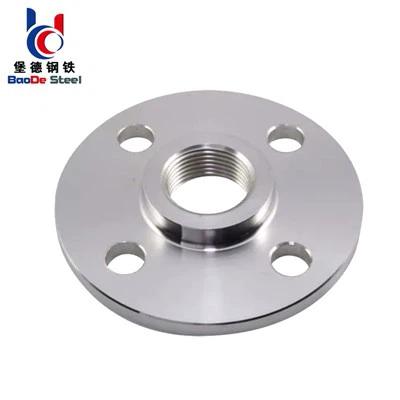
RF blind flanges, also known as Raised Face Blind Flanges, are used to seal the end of a pipe, valve, or vessel. They have a raised face that provides a better sealing surface when used with gaskets. These flanges are commonly made of materials such as carbon steel, stainless steel, and alloy steel. Their durability and strength make them a popular choice in various industries, including oil and gas, chemical, and water treatment.
The 2 INCH 150# RF BLIND FLANGE is a specific type of RF blind flange with a 2 - inch nominal size and a pressure rating of 150 pounds. Different sizes and pressure ratings are available to meet the diverse needs of different applications. Flange Blind Plates are another term often used interchangeably with RF blind flanges, and they play a crucial role in pipeline systems.
Why Recycling RF Blind Flanges is Important
Recycling RF blind flanges offers several benefits. Firstly, it helps conserve natural resources. The production of new flanges from raw materials requires a significant amount of energy and resources. By recycling, we can reduce the demand for virgin materials and minimize the environmental impact associated with mining and refining.
Secondly, recycling is cost - effective. Reusing materials from old flanges reduces the production cost of new flanges. This cost savings can be passed on to customers, making the products more affordable. Additionally, recycling helps companies meet their sustainability goals, which is increasingly important in today's business environment.
Steps to Properly Recycle RF Blind Flanges
Step 1: Inspection and Sorting
The first step in recycling RF blind flanges is to conduct a thorough inspection. Check for any signs of damage, corrosion, or wear. Flanges that are severely damaged may not be suitable for recycling and may need to be discarded.
Sort the flanges based on their material composition. As mentioned earlier, RF blind flanges can be made of different materials, such as carbon steel, stainless steel, and alloy steel. Sorting them by material type is essential because different materials require different recycling processes.
Step 2: Cleaning
Once the flanges are sorted, they need to be cleaned. Remove any dirt, grease, paint, or other contaminants from the surface of the flanges. This can be done using various methods, such as mechanical cleaning (e.g., sandblasting) or chemical cleaning.
Mechanical cleaning is a common method that uses abrasive materials to remove surface contaminants. Sandblasting, for example, involves propelling fine sand particles at high speed onto the flange surface. Chemical cleaning, on the other hand, uses chemicals to dissolve or loosen the contaminants. However, chemical cleaning should be done with caution as some chemicals can be harmful to the environment.
Step 3: Dismantling (if necessary)
If the RF blind flanges have any attached components, such as bolts, nuts, or gaskets, these need to be removed. Dismantling the flanges allows for more efficient recycling and ensures that each component can be recycled separately.
Use appropriate tools, such as wrenches or pliers, to remove the attached components. Be careful not to damage the flanges during the dismantling process.
Step 4: Melting and Re - processing
After cleaning and dismantling, the flanges are ready for melting. The sorted flanges are sent to a recycling facility where they are melted in a furnace. The melting process requires high temperatures, and the specific temperature depends on the material of the flanges.
Once the flanges are melted, the molten metal is refined to remove any impurities. The refined metal can then be used to produce new RF blind flanges or other metal products. The re - processing step ensures that the recycled material meets the quality standards required for new products.
Step 5: Quality Control
After the new flanges are produced from the recycled material, a strict quality control process is necessary. Check the dimensions, material properties, and surface finish of the new flanges to ensure they meet the industry standards.
Quality control measures may include non - destructive testing methods, such as ultrasonic testing or magnetic particle testing, to detect any internal defects. Visual inspection is also important to check for surface irregularities.

Challenges in Recycling RF Blind Flanges
While recycling RF blind flanges offers many benefits, there are also some challenges. One of the main challenges is the presence of contaminants. Flanges used in certain industries, such as the chemical industry, may be contaminated with hazardous substances. These contaminants need to be removed before the flanges can be recycled, which can be a complex and costly process.

Another challenge is the variability in material composition. Some flanges may be made of alloy steels with complex compositions, which can make the recycling process more difficult. Specialized equipment and techniques may be required to recycle these types of flanges effectively.
Best Practices for Recycling RF Blind Flanges
To overcome the challenges and ensure proper recycling, here are some best practices:
- Work with a Reputable Recycling Partner: Choose a recycling facility that has experience in recycling RF blind flanges. A reputable partner will have the necessary equipment and expertise to handle the recycling process efficiently and safely.
- Implement a Recycling Program: Establish a comprehensive recycling program within your organization. This program should include procedures for collecting, inspecting, and transporting the flanges to the recycling facility.
- Educate Employees: Train your employees on the importance of recycling and the proper procedures for handling RF blind flanges. This will help ensure that the recycling process is carried out correctly at every stage.
Conclusion
Properly recycling RF blind flanges is an important practice that offers environmental, economic, and social benefits. As a supplier of RF blind flanges, I encourage all industries to adopt sustainable recycling methods. By following the steps outlined in this blog, you can ensure that your RF blind flanges are recycled in an efficient and responsible manner.
If you are interested in purchasing high - quality RF blind flanges or have any questions about our products, please feel free to contact us for procurement and further discussions. We are committed to providing the best products and services to meet your needs.
References
- ASME B16.5 Standard for Pipe Flanges and Flanged Fittings
- API 6A Specification for Wellhead and Christmas Tree Equipment
- ISO 7005 - 1 Metallic Flanges - Part 1: Steel Flanges