Vibration in butt welded reducers can be a significant concern in various industrial applications. As a reputable butt welded reducer supplier, we understand the challenges that excessive vibration can pose to the performance and longevity of piping systems. In this blog, we will explore the causes of vibration in butt welded reducers and discuss effective strategies to reduce it.
Understanding the Causes of Vibration in Butt Welded Reducers
Before we delve into the solutions, it's essential to understand the root causes of vibration in butt welded reducers. Vibration can stem from several factors, including:
- Fluid Flow Dynamics: Turbulent fluid flow within the reducer can create pressure fluctuations, leading to vibration. This is particularly common when the fluid velocity is high or when there are sudden changes in the pipe diameter.
- Mechanical Resonance: If the natural frequency of the reducer or the piping system coincides with the frequency of the fluid flow or external forces, resonance can occur, amplifying the vibration.
- Imbalanced Forces: Uneven distribution of forces within the reducer, such as due to improper installation or misalignment, can also cause vibration.
- External Excitations: External sources, such as nearby machinery or equipment, can transmit vibrations to the reducer and the piping system.
Strategies to Reduce Vibration in Butt Welded Reducers
1. Optimize Fluid Flow Design
- Smooth Transitions: Design the reducer with smooth transitions between different pipe diameters to minimize turbulence. Avoid sharp edges or sudden changes in cross - sectional area, as these can disrupt the fluid flow and cause pressure fluctuations.
- Proper Sizing: Ensure that the reducer is correctly sized for the specific application. An undersized or oversized reducer can lead to inefficient fluid flow and increased vibration. Consider factors such as flow rate, pressure, and fluid properties when selecting the appropriate reducer size.
- Flow Straighteners: In some cases, installing flow straighteners upstream of the reducer can help to stabilize the fluid flow and reduce turbulence. Flow straighteners consist of a series of parallel vanes or tubes that guide the fluid in a more laminar flow pattern.
2. Control Mechanical Resonance
- Frequency Analysis: Conduct a frequency analysis of the reducer and the piping system to identify the natural frequencies. This can be done using analytical methods or finite element analysis (FEA). Once the natural frequencies are known, steps can be taken to avoid resonance by adjusting the operating conditions or modifying the system design.
- Damping Devices: Install damping devices, such as vibration isolators or shock absorbers, to dissipate the energy of the vibrations and reduce their amplitude. These devices can be made of materials such as rubber, neoprene, or metal springs, and they work by absorbing and converting the vibrational energy into heat.
- Stiffening the Structure: Strengthening the reducer and the surrounding piping system can increase its natural frequency and reduce the likelihood of resonance. This can be achieved by adding stiffeners, braces, or supports to the structure.
3. Ensure Proper Installation and Alignment
- Precise Alignment: During installation, ensure that the reducer is precisely aligned with the adjacent pipes. Misalignment can cause uneven forces and stress concentrations, leading to vibration. Use alignment tools and techniques to ensure accurate positioning.
- Secure Mounting: Properly secure the reducer to the supporting structure to prevent movement or displacement. Use appropriate mounting hardware, such as bolts, clamps, or welds, and ensure that the connections are tight and stable.
- Avoid Over - Tightening: While it's important to secure the reducer properly, over - tightening the bolts or clamps can also cause problems. Over - tightening can distort the reducer and create additional stress, which may contribute to vibration. Follow the manufacturer's recommended torque values during installation.
4. Minimize External Excitations
- Isolate from External Sources: If possible, isolate the reducer and the piping system from external sources of vibration, such as nearby machinery or equipment. This can be done using vibration isolation pads, mounts, or barriers.
- Regular Maintenance: Perform regular maintenance on the system to ensure that all components are in good working condition. Loose or worn parts can transmit vibrations, so it's important to check and tighten any loose connections, replace worn bearings or seals, and lubricate moving parts as needed.
Product Recommendations
As a butt welded reducer supplier, we offer a wide range of high - quality reducers that are designed to minimize vibration and ensure reliable performance. Some of our popular products include:
- Carbon Steel Eccentric Reducer: Our carbon steel eccentric reducers are made from high - grade materials and are precision - engineered to provide smooth fluid flow and reduce vibration. They are suitable for a variety of industrial applications.
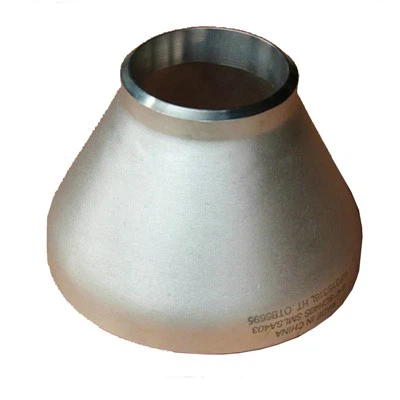
- MSS SP 75 Butt Welded Concentric Reducer With Black Painting: These concentric reducers comply with the MSS SP 75 standard and are coated with black paint for corrosion protection. They are designed to minimize pressure drops and vibration in piping systems.
- 4 Inch To 3 Inch Bell Reducer: Our 4 - inch to 3 - inch bell reducers feature a unique bell - shaped design that provides a smooth transition between different pipe diameters, reducing turbulence and vibration.
Conclusion
Reducing vibration in butt welded reducers is crucial for ensuring the efficient and reliable operation of piping systems. By understanding the causes of vibration and implementing the strategies outlined in this blog, you can minimize the impact of vibration and extend the lifespan of your equipment. As a trusted butt welded reducer supplier, we are committed to providing high - quality products and expert advice to help you achieve optimal performance in your applications. If you have any questions or need assistance in selecting the right reducer for your project, please do not hesitate to contact us. We look forward to discussing your requirements and working with you to find the best solutions.


References
- "Pipe Fitting Handbook" by Pipe Fitting Institute
- "Fluid Mechanics" by Frank M. White
- "Vibration Analysis and Control" by Singiresu S. Rao