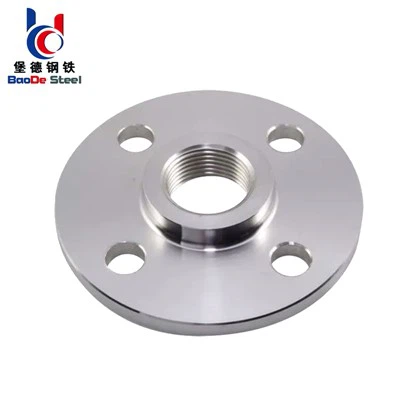
Hey there! As a supplier of sw flanges, I've seen firsthand the numerous advantages of using these components in chemical plants. In this blog, I'm gonna break down why sw flanges are a top choice for chemical facilities.
1. Easy Installation
One of the most significant benefits of Socket Weld Flanges is their ease of installation. Unlike some other types of flanges, sw flanges don't require a lot of complex alignment. You simply insert the pipe into the socket end of the flange and then weld it in place. This process is quicker compared to other methods, which means less downtime during installation. For chemical plants, where every minute of operation counts, this is a huge plus. You can get your piping systems up and running faster, reducing the impact on production schedules.
Let's say you're working on a project to expand a chemical plant's piping network. With Socket Weld Flanges, you can save a considerable amount of time on the installation process. The simplicity of the installation also means that you don't need highly specialized labor. Even relatively inexperienced workers can be trained to install sw flanges with a bit of guidance. This can lead to cost savings in terms of labor as well.
2. Strong and Reliable Joints
Sw flanges create a very strong and reliable joint between the pipe and the flange. The socket weld design provides a large contact area for the weld, which distributes the stress evenly across the joint. This is crucial in chemical plants, where the pipes often carry corrosive chemicals and operate under high pressure and temperature conditions.
The strong joint formed by sw flanges helps prevent leaks, which is of utmost importance in a chemical plant. A leak can not only lead to the loss of valuable chemicals but also pose a serious safety hazard to the workers and the environment. For example, if a pipe carrying a toxic chemical were to leak due to a weak joint, it could contaminate the surrounding area and cause health problems for the people nearby. With sw flanges, you can have peace of mind knowing that the joints are strong and less likely to fail.
3. Good for Smaller Pipe Sizes
Sw flanges are particularly well - suited for smaller pipe sizes. In chemical plants, there are often a lot of small - diameter pipes used for various purposes, such as instrument lines and sampling lines. 1 Inch Socket Welded Flange is a common size used in these applications.
For smaller pipes, sw flanges offer a more compact and efficient solution compared to other types of flanges. They take up less space, which is important in a chemical plant where space is often at a premium. The smaller size also means that the flanges are lighter, which can make handling and installation easier. Additionally, the welding process for smaller sw flanges is generally quicker and more straightforward, further enhancing their suitability for these applications.
4. Corrosion Resistance
Most sw flanges are made from materials that offer good corrosion resistance. In a chemical plant, the pipes are constantly exposed to corrosive chemicals, so corrosion resistance is a must - have feature. Stainless steel is a commonly used material for sw flanges because it is highly resistant to corrosion.
The corrosion - resistant properties of sw flanges extend the lifespan of the piping system. Instead of having to replace pipes and flanges frequently due to corrosion, you can rely on sw flanges to last longer. This reduces the maintenance costs and downtime associated with replacing corroded components. For example, if a pipe flange were to corrode and start leaking, you would have to shut down the system, replace the flange, and then test the system again. With corrosion - resistant sw flanges, you can avoid these costly and time - consuming processes.
5. Cost - Effective
When you consider all the factors mentioned above, sw flanges are a cost - effective choice for chemical plants. The lower installation costs due to the ease of installation and the potential for using less specialized labor are significant. The long - term savings from reduced maintenance and replacement costs also add up.
Since sw flanges create strong joints and are corrosion - resistant, you don't have to worry about frequent repairs and replacements. This means that you can allocate your budget more efficiently and focus on other aspects of the chemical plant's operation. For a chemical plant looking to optimize its costs without sacrificing quality and safety, sw flanges are a great option.
6. Compatibility with Different Materials
Sw flanges can be made from a variety of materials, which makes them compatible with different types of pipes and chemicals. Whether you're using carbon steel pipes, stainless steel pipes, or even non - metallic pipes in some cases, there's a sw flange material that can work well with them.


This compatibility allows chemical plants to choose the most appropriate materials for their specific applications. For example, if you're dealing with a highly corrosive chemical, you can choose a sw flange made from a super - alloy that offers excellent corrosion resistance. On the other hand, if cost is a major concern and the chemical is not too aggressive, you can opt for a more affordable carbon steel sw flange.
7. Aesthetically Pleasing
In addition to their functional advantages, sw flanges can also be aesthetically pleasing. In some areas of a chemical plant where appearance matters, such as in control rooms or public areas, the smooth and clean look of sw flanges can enhance the overall appearance of the piping system.
The neat and compact design of sw flanges gives a more professional and organized look compared to some other types of flanges. This may not seem like a big deal at first, but in a modern chemical plant where safety and efficiency are often associated with a well - maintained and visually appealing environment, it can make a difference.
8. Easier to Inspect
Inspecting the joints made with sw flanges is relatively easy. Since the weld is visible on the outside of the joint, it can be easily examined for signs of cracks, porosity, or other defects. This is important in a chemical plant, where regular inspections are necessary to ensure the safety and reliability of the piping system.
During an inspection, if a problem is detected in the weld of a sw flange, it can be repaired relatively quickly. This helps prevent small issues from turning into major problems that could lead to a pipe failure. For example, if a small crack is detected in the weld during an inspection, it can be welded up before it grows and causes a leak.
Conclusion
In conclusion, the advantages of using sw flanges in chemical plants are numerous. From easy installation and strong joints to corrosion resistance and cost - effectiveness, sw flanges are a great choice for any chemical plant's piping system. Whether you're building a new plant or upgrading an existing one, consider using sw flanges for your smaller pipe applications.
If you're interested in purchasing sw flanges for your chemical plant, I'd love to have a chat with you. We can discuss your specific requirements and find the best sw flange solutions for your needs. Don't hesitate to reach out and start the conversation about how we can work together to make your chemical plant's piping system more efficient and reliable.
References
- "Piping Design Handbook" by George E. Shigley
- "Chemical Engineering Plant Design and Economics" by Max S. Peters, Klaus D. Timmerhaus, and Ronald West