As a supplier of stainless steel tees, I am acutely aware of the growing importance of understanding the environmental impacts associated with their manufacturing. Stainless steel tees are widely used in various industries, including plumbing, construction, and chemical processing, due to their durability, corrosion resistance, and high strength. However, the production of these essential components comes with a set of environmental challenges that need to be addressed.


Raw Material Extraction
The first stage in the manufacturing of stainless steel tees is the extraction of raw materials. Stainless steel is primarily made from iron ore, chromium, nickel, and other alloying elements. The mining of these raw materials can have significant environmental impacts. For instance, iron ore mining often involves large - scale open - pit mining operations. These operations can lead to deforestation, soil erosion, and habitat destruction. The removal of large amounts of topsoil and vegetation disrupts ecosystems and can cause long - term damage to local flora and fauna.
Chromium and nickel mining also pose environmental risks. Chromium mining can release toxic substances into the environment, such as hexavalent chromium, which is a known carcinogen. Nickel mining, on the other hand, can result in the contamination of water sources with heavy metals. These contaminants can accumulate in the food chain and have adverse effects on human health and the environment.
Energy Consumption
The manufacturing process of stainless steel tees is energy - intensive. The production of stainless steel involves melting the raw materials in electric arc furnaces or basic oxygen furnaces. These furnaces require a large amount of electricity, which is often generated from non - renewable energy sources such as coal, oil, and natural gas. The combustion of these fossil fuels releases greenhouse gases, primarily carbon dioxide, into the atmosphere. Carbon dioxide is a major contributor to global warming and climate change.
In addition to the energy used in the melting process, energy is also required for other steps in the manufacturing of stainless steel tees, such as forming, machining, and heat treatment. Each of these processes adds to the overall energy consumption and carbon footprint of the product.
Water Usage and Pollution
Water is an essential resource in the manufacturing of stainless steel tees. It is used for cooling purposes in the furnaces, as well as for cleaning and rinsing the products during the manufacturing process. However, the large - scale use of water can lead to water scarcity in regions where water resources are limited.
Moreover, the water used in the manufacturing process can become contaminated with heavy metals, chemicals, and other pollutants. For example, the cooling water may contain traces of chromium, nickel, and other alloying elements. If this contaminated water is not properly treated before being discharged into the environment, it can cause water pollution, harming aquatic life and affecting the quality of drinking water sources.
Waste Generation
The manufacturing of stainless steel tees generates a significant amount of waste. During the production process, there are often scrap materials, such as off - cuts and defective products. These scrap materials need to be properly managed to prevent environmental pollution. If not recycled, they can end up in landfills, taking up valuable space and potentially releasing harmful substances into the environment over time.
In addition to solid waste, the manufacturing process also generates air pollutants. The melting of raw materials in the furnaces releases particulate matter, sulfur dioxide, and nitrogen oxides into the atmosphere. These pollutants can cause air pollution, leading to respiratory problems and other health issues for humans, as well as damage to plants and ecosystems.
Mitigation Strategies
Despite these environmental challenges, there are several strategies that can be implemented to reduce the environmental impacts of manufacturing stainless steel tees.
Recycling
Recycling is one of the most effective ways to reduce the environmental footprint of stainless steel production. Stainless steel is highly recyclable, and recycling scrap stainless steel requires significantly less energy compared to producing new stainless steel from raw materials. By promoting the recycling of stainless steel tees and other stainless steel products, we can reduce the demand for virgin raw materials, conserve energy, and minimize waste generation.
Energy Efficiency
Improving energy efficiency in the manufacturing process is another important strategy. This can be achieved through the use of advanced furnace technologies, such as high - efficiency electric arc furnaces and waste heat recovery systems. These technologies can reduce the energy consumption per unit of stainless steel produced, thereby lowering the carbon emissions associated with the manufacturing process.
Water Management
Proper water management is crucial to reduce water usage and prevent water pollution. This can involve implementing water recycling systems in the manufacturing plants, where the used water is treated and reused for cooling and other purposes. Additionally, strict water treatment protocols should be in place to ensure that the discharged water meets environmental standards.
Cleaner Production Technologies
The adoption of cleaner production technologies can also help to reduce the environmental impacts of stainless steel tee manufacturing. For example, the use of alternative raw materials or alloying elements that are less harmful to the environment can be explored. Additionally, new manufacturing processes that generate less waste and pollutants can be developed and implemented.
Our Commitment as a Supplier
As a supplier of [link text="Stainless Steel Tee Fittings" url="/tee-pipe-fitting/stainless-steel-tee/stainless-steel-tee-fittings.html"], we are committed to minimizing the environmental impacts of our products. We work closely with our suppliers to ensure that the raw materials we use are sourced responsibly. We also invest in energy - efficient manufacturing technologies and water management systems to reduce our energy consumption and water usage.
We actively promote the recycling of our products and encourage our customers to return their used stainless steel tees for recycling. By doing so, we can contribute to a more sustainable stainless steel industry.
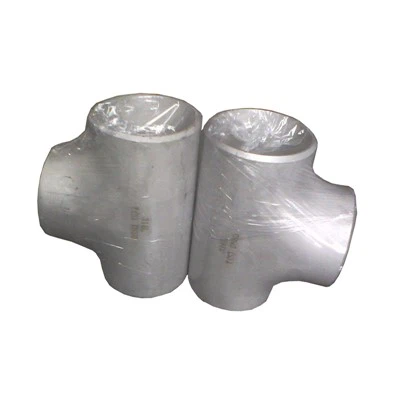
In addition, we offer a wide range of high - quality stainless steel tees, such as [link text="1 Inch Stainless Steel Tee" url="/tee-pipe-fitting/stainless-steel-tee/1-inch-stainless-steel-tee.html"] and [link text="ASTM A403 WP316L Stainless Steel Pipe Fittings Equal Tee" url="/tee-pipe-fitting/stainless-steel-tee/astm-a403-wp316l-stainless-steel-pipe.html"], which are designed to meet the diverse needs of our customers while minimizing their environmental impact.
Conclusion
The manufacturing of stainless steel tees has significant environmental impacts, including raw material extraction, energy consumption, water usage and pollution, and waste generation. However, through the implementation of mitigation strategies such as recycling, energy efficiency, water management, and the adoption of cleaner production technologies, these impacts can be reduced.
As a supplier, we are committed to playing our part in promoting a more sustainable stainless steel industry. We believe that by working together with our customers, suppliers, and other stakeholders, we can achieve a balance between meeting the demand for high - quality stainless steel tees and protecting the environment.
If you are interested in purchasing stainless steel tees or would like to discuss our environmental initiatives, please feel free to contact us for further information and to start a procurement negotiation.
References
- American Iron and Steel Institute. (2023). Environmental Performance of the Steel Industry.
- International Stainless Steel Forum. (2023). Sustainability in the Stainless Steel Industry.
- World Steel Association. (2023). Steel and the Environment.