Hey there! As a supplier of alloy steel reducers, I often get asked about the sealing materials used in these products. In this blog, I'll share some insights into the different types of sealing materials commonly used in alloy steel reducers.
Why Sealing Materials Matter
First off, let's talk about why sealing materials are so important. Alloy steel reducers are used in various piping systems to connect pipes of different diameters. A proper seal is crucial to prevent leaks, which can lead to loss of fluid, environmental hazards, and even system failures. The right sealing material ensures the integrity and efficiency of the piping system.
Common Sealing Materials
Rubber
Rubber is one of the most widely used sealing materials in alloy steel reducers. It's flexible, which allows it to conform to the surfaces of the reducer and the pipes it's connecting. This flexibility helps create a tight seal. There are different types of rubber, each with its own properties.
- Nitrile Rubber (NBR): NBR is known for its excellent resistance to oil and fuel. It can withstand a wide range of temperatures, making it suitable for many industrial applications. For example, in automotive and oil refinery piping systems, NBR seals in alloy steel reducers can prevent the leakage of oil and other petroleum products.
- EPDM Rubber: EPDM has good resistance to weather, ozone, and UV rays. It's often used in outdoor piping systems, such as in water treatment plants or in building plumbing where the reducers are exposed to the elements. EPDM seals can last a long time without deteriorating due to environmental factors.
PTFE (Polytetrafluoroethylene)
PTFE is a synthetic fluoropolymer with some amazing properties. It has a very low coefficient of friction, which means it can easily slide against other surfaces. This makes it ideal for applications where there is movement or vibration in the piping system.
- PTFE Gaskets: PTFE gaskets are commonly used in alloy steel reducers. They can handle high temperatures and pressures, and they are chemically inert, meaning they don't react with most chemicals. This makes them suitable for use in chemical processing plants, where the reducers may be exposed to corrosive substances.
Graphite
Graphite is another popular sealing material. It has good thermal conductivity, which can help dissipate heat in high - temperature applications.
- Expanded Graphite: Expanded graphite is often used in the form of gaskets. It can withstand high pressures and temperatures, and it has good sealing performance even in harsh environments. In power plants, where steam and hot water are transported through piping systems, expanded graphite gaskets in alloy steel reducers can ensure a reliable seal.
Choosing the Right Sealing Material
When choosing a sealing material for an alloy steel reducer, several factors need to be considered.
- Fluid Compatibility: The sealing material must be compatible with the fluid flowing through the piping system. For example, if the fluid is a strong acid, a sealing material like PTFE would be a better choice than rubber, as rubber may be corroded by the acid.
- Temperature and Pressure: The operating temperature and pressure of the system are crucial. High - temperature applications may require materials like graphite or PTFE, while lower - temperature systems can use rubber seals.
- Environmental Conditions: If the reducer is used outdoors or in a corrosive environment, materials with good weather and chemical resistance, such as EPDM rubber or PTFE, should be selected.
Our Product Range
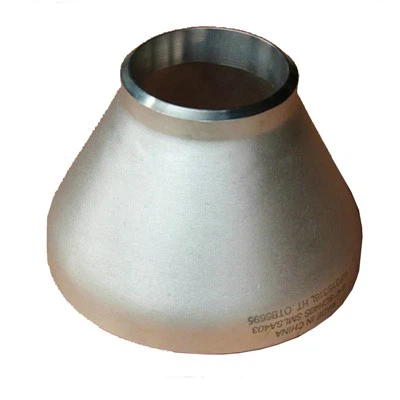
At our company, we offer a wide range of alloy steel reducers with different sealing materials to meet various customer needs. Whether you need a DN50mm Pipe Reducer for a small - scale project or a 6 Inch To 4 Inch Pipe Reducer for a large industrial application, we've got you covered. We also have 4 To 2 Inch Reducer in stock, all with high - quality sealing materials to ensure a leak - free connection.


Let's Connect
If you're in the market for alloy steel reducers and need help choosing the right sealing material for your specific application, don't hesitate to reach out. We have a team of experts who can provide you with detailed information and guidance. Whether you're a contractor working on a new construction project or a plant manager looking to upgrade your existing piping system, we can offer solutions that fit your requirements. Let's start a conversation about how our alloy steel reducers can improve the performance of your piping system.
References
- "Handbook of Sealing Technology" by Robert K. Kennedy
- "Piping Design and Engineering" by George E. Totten