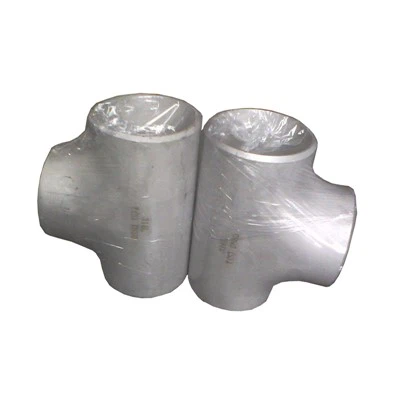
As a tee pipe fitting supplier, I've witnessed firsthand the distinct requirements that liquid and gas applications impose on these essential components. Tee pipe fittings, which are used to connect three pipes at a 90-degree angle, are crucial in various industries, including plumbing, oil and gas, chemical processing, and more. While they may seem similar at first glance, the tee pipe fittings for liquid and gas applications have significant differences that must be carefully considered to ensure optimal performance and safety.
Material Selection
One of the primary differences between tee pipe fittings for liquid and gas applications lies in the material selection. The choice of material depends on several factors, including the type of fluid or gas being transported, the operating pressure and temperature, and the corrosion resistance requirements.
For liquid applications, materials such as PVC (Polyvinyl Chloride), CPVC (Chlorinated Polyvinyl Chloride), and PPR (Polypropylene Random Copolymer) are commonly used. These plastics are lightweight, easy to install, and resistant to corrosion and chemical damage. PVC is suitable for low-pressure water distribution systems, while CPVC can handle higher temperatures and pressures, making it ideal for hot water applications. PPR is known for its excellent thermal insulation properties and is often used in heating systems.
In contrast, gas applications typically require materials with higher strength and durability. Steel, stainless steel, and copper are popular choices for gas tee pipe fittings. Steel is strong and can withstand high pressures, making it suitable for natural gas and propane distribution systems. Stainless steel offers excellent corrosion resistance, which is essential when dealing with corrosive gases or environments. Copper is a good conductor of heat and electricity and is often used in residential and commercial gas piping systems.
Wall Thickness
Another important difference between tee pipe fittings for liquid and gas applications is the wall thickness. Gas applications generally require thicker walls to withstand the higher pressures associated with gas flow. The pressure rating of a tee pipe fitting is determined by its wall thickness, material, and design.
In liquid applications, the pressure is typically lower, and thinner-walled fittings can be used. However, the wall thickness must still be sufficient to prevent leaks and ensure the structural integrity of the system. For example, in a water supply system, the wall thickness of the tee pipe fittings will depend on the water pressure and the diameter of the pipes.
Threading and Sealing
Threading and sealing are critical aspects of tee pipe fittings, especially in gas applications where leaks can be extremely dangerous. Gas tee pipe fittings often have male and female threads that are designed to create a tight seal when connected. The threads must be carefully cut and tapered to ensure a proper fit and prevent gas leakage.
In addition to threading, gas tee pipe fittings may also require additional sealing methods, such as thread sealants or O-rings. Thread sealants are applied to the threads before assembly to fill any gaps and prevent gas from escaping. O-rings are used in some fittings to provide a secondary seal and improve the overall reliability of the connection.
For liquid applications, threading and sealing requirements may be less stringent. However, it is still important to ensure a proper seal to prevent leaks. In some cases, rubber gaskets or compression fittings may be used to create a watertight seal.
Flow Characteristics
The flow characteristics of tee pipe fittings can also vary depending on whether they are used for liquid or gas applications. In liquid applications, the flow is generally more laminar, meaning that the fluid moves in smooth, parallel layers. Tee pipe fittings for liquid applications are designed to minimize turbulence and pressure drop, which can affect the efficiency of the system.
In gas applications, the flow is often more turbulent, especially at high velocities. Gas tee pipe fittings must be designed to handle the higher flow rates and pressures associated with gas flow. They may have larger diameters and smoother internal surfaces to reduce turbulence and pressure drop.
Safety Considerations
Safety is of utmost importance when it comes to tee pipe fittings, especially in gas applications. Gas leaks can pose a significant risk of fire, explosion, and asphyxiation. Therefore, gas tee pipe fittings must meet strict safety standards and regulations.
In addition to proper material selection, wall thickness, threading, and sealing, gas tee pipe fittings must also be installed correctly. This includes following the manufacturer's instructions, using the appropriate tools and equipment, and conducting regular inspections and maintenance.
For liquid applications, safety is also important, but the risks are generally lower. However, leaks can still cause water damage and other problems, so it is important to ensure that the tee pipe fittings are installed correctly and in good working condition.
Conclusion
In conclusion, there are several key differences between tee pipe fittings for liquid and gas applications. These differences include material selection, wall thickness, threading and sealing, flow characteristics, and safety considerations. As a tee pipe fitting supplier, it is essential to understand these differences and provide our customers with the right products for their specific applications.
If you are in need of tee pipe fittings for either liquid or gas applications, please do not hesitate to contact us. Our team of experts can help you select the appropriate fittings based on your requirements and ensure that they are installed correctly. We are committed to providing high-quality products and excellent customer service, and we look forward to working with you.
References
- ASME B16.9 - Factory-Made Wrought Steel Buttwelding Fittings
- ASTM D1785 - Standard Specification for Poly (Vinyl Chloride) (PVC) Plastic Pipe, Schedules 40, 80, and 120
- ASTM F441 - Standard Specification for Chlorinated Poly (Vinyl Chloride) (CPVC) Plastic Pipe, Schedules 40 and 80
- ASTM D3309 - Standard Specification for Polypropylene (PP) Plastic Pipe, SDR-PR
- API 5L - Specification for Line Pipe
- ANSI/ASME B1.20.1 - Pipe Threads, General Purpose (Inch)