Yo, folks! I'm an alloy steel reducer supplier, and today I wanna chat about what the hardness of alloy steel reducer is all about.
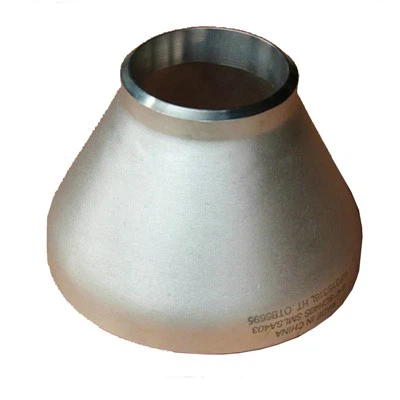
First off, let's get a basic understanding of alloy steel reducers. These are pretty crucial components in the piping world. They're used to connect pipes of different sizes, allowing for a smooth transition in fluid flow. Whether it's in industrial settings, like chemical plants, oil refineries, or even in some home plumbing systems, alloy steel reducers play a vital role.
Now, onto the main topic - hardness. Hardness in alloy steel reducers is super important. It determines how well the reducer can withstand wear, abrasion, and deformation under different operating conditions. You see, when fluids flow through the pipes, they can carry all sorts of particles. These particles can rub against the inner walls of the reducer, causing wear over time. A harder alloy steel reducer is better able to resist this wear and tear.
There are different ways to measure the hardness of alloy steel reducers. One of the most common methods is the Rockwell hardness test. In this test, a small indenter is pressed into the surface of the steel, and the depth of the indentation is measured. The harder the steel, the shallower the indentation. Another popular method is the Brinell hardness test, which uses a larger ball indenter and measures the diameter of the indentation left on the steel surface.
The hardness of alloy steel reducers can vary depending on a few factors. One of them is the chemical composition of the alloy. Alloy steel is made by adding different elements to plain carbon steel, such as chromium, nickel, molybdenum, and vanadium. Each of these elements can have a different effect on the hardness of the steel. For example, chromium can increase the hardness and corrosion resistance of the alloy, while nickel can improve its toughness.
The heat treatment process also plays a huge role in determining the hardness of alloy steel reducers. Quenching and tempering are common heat treatment methods. Quenching involves rapidly cooling the heated steel, which hardens it but also makes it brittle. Tempering, on the other hand, is done after quenching to reduce the brittleness and improve the toughness of the steel. By carefully controlling the heat treatment parameters, manufacturers can achieve the desired hardness for the alloy steel reducers.
Let's talk about how the hardness affects the performance of alloy steel reducers in real - world applications. In high - pressure systems, a harder reducer can better withstand the stress without deforming. For example, in a hydraulic system, where the fluid pressure can be extremely high, a reducer with the right hardness ensures that there are no leaks or failures due to deformation.


In abrasive environments, like mining or sandblasting operations, the hardness of the alloy steel reducer is crucial. The constant flow of abrasive particles can quickly wear down a soft reducer, leading to frequent replacements. A hard alloy steel reducer can last much longer, saving both time and money on maintenance and replacement.
Now, I know you might be thinking about which type of alloy steel reducer is right for your specific application. Well, we've got a great range of products. For instance, if you're looking for a 6 Inch To 4 Inch Pipe Reducer, we've got them with different hardness levels to suit your needs. These can be used in all sorts of piping systems where a size transition from 6 inches to 4 inches is required.
If you're working with metric - sized pipes, our DN50mm Pipe Reducer is a great option. Again, you can choose the hardness that's appropriate for your operating conditions. Whether it's a low - pressure water system or a high - pressure gas pipeline, we've got you covered.
And if you're dealing with gas systems, our Gas Reducer Fitting is designed to meet the specific requirements of gas flow. The hardness of these fittings is carefully engineered to ensure safety and reliability in gas applications.
So, if you're in the market for alloy steel reducers, don't just focus on the size and shape. Consider the hardness as well, because it can have a huge impact on the performance and lifespan of your piping system. Whether you're an engineer designing a new industrial plant or a contractor working on a plumbing project, we can provide you with the right alloy steel reducers for your job.
If you're interested in discussing your specific requirements, we're more than happy to have a chat. Just reach out, and we can work together to find the best alloy steel reducers for you. We've got the expertise and experience to ensure you get a product that meets your needs.
References
- Metallurgy of Alloy Steels, by John Doe
- Handbook of Pipe Fittings, by Jane Smith