Hey there! As a supplier of 4 To 2 Inch Reducers, I often get asked if these bad boys are resistant to corrosion. It's a super important question, especially when you're looking at long - term use and durability of your piping systems. So, let's dig deep into this topic and find out what's what.
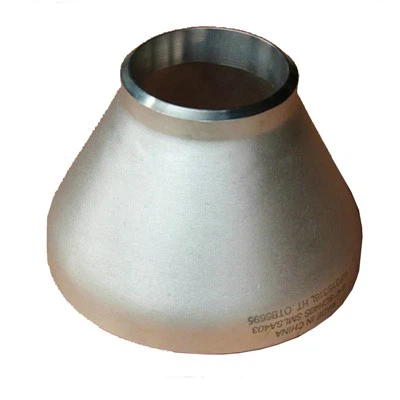
First off, what exactly is a 4 To 2 Inch Reducer? Well, it's a type of pipe fitting that's used to connect two pipes of different diameters. In this case, it connects a 4 - inch pipe to a 2 - inch pipe. These reducers are used in a wide range of industries, from plumbing and HVAC to oil and gas. And in all these industries, corrosion can be a real pain in the neck.
Now, let's talk about corrosion. Corrosion is basically the deterioration of a material, usually a metal, due to chemical reactions with its environment. This can be caused by things like moisture, chemicals, and even just the air we breathe. When a pipe reducer corrodes, it can lead to leaks, reduced flow, and even complete failure of the piping system. So, it's crucial to have reducers that can stand up to corrosion.
The resistance of 4 To 2 Inch Reducers to corrosion depends on a few factors. One of the most important is the material they're made from. There are several materials commonly used for these reducers, each with its own level of corrosion resistance.
Stainless Steel Reducers
Stainless steel is a popular choice for 4 To 2 Inch Reducers. It contains chromium, which forms a thin, protective oxide layer on the surface of the metal. This layer acts as a barrier, preventing oxygen and moisture from reaching the metal beneath and causing corrosion. In fact, stainless steel can resist corrosion in a variety of environments, including those with high humidity, saltwater, and even some chemicals.
However, not all stainless steels are created equal. Different grades of stainless steel have different levels of corrosion resistance. For example, 304 stainless steel is a common grade that offers good general - purpose corrosion resistance. But if you're dealing with more aggressive environments, like those with high concentrations of chloride ions (found in saltwater), you might want to consider a higher - grade stainless steel, like 316.
Carbon Steel Reducers
Carbon steel is another material used for 4 To 2 Inch Reducers. It's strong and relatively inexpensive, but it's not as corrosion - resistant as stainless steel. Carbon steel is prone to rusting when exposed to moisture and oxygen. However, it can be protected through various methods.
One common method is coating. Carbon steel reducers can be coated with things like paint, epoxy, or zinc. These coatings act as a physical barrier between the metal and the environment, preventing corrosion. Another method is galvanizing, which involves applying a layer of zinc to the surface of the steel. Zinc is more reactive than steel, so it corrodes first, protecting the steel beneath.
Alloy Steel Reducers
Alloy steel reducers are made by adding other elements to carbon steel to improve its properties, including corrosion resistance. Some common alloying elements include nickel, chromium, and molybdenum. These elements can enhance the steel's ability to resist corrosion in specific environments.


For example, alloy steel reducers with a high nickel content can be very resistant to corrosion in acidic environments. And reducers with molybdenum can offer better resistance to pitting corrosion, which is a type of localized corrosion that can cause small holes in the metal.
The Environment Matters
Even if you have a reducer made from a corrosion - resistant material, the environment it's in can still have a big impact on its corrosion resistance. For example, if a 4 To 2 Inch Reducer is installed in an area with high humidity, it's more likely to corrode than one installed in a dry environment.
Similarly, if the reducer is exposed to chemicals, like acids or alkalis, it needs to be made from a material that can withstand those chemicals. In the oil and gas industry, for instance, reducers might be exposed to harsh chemicals and high - pressure fluids. So, choosing the right material for the specific environment is crucial.
Maintenance and Inspection
No matter how corrosion - resistant a 4 To 2 Inch Reducer is, regular maintenance and inspection are still important. Over time, the protective layer on a stainless steel reducer can be damaged, or a coating on a carbon steel reducer can wear off. By inspecting the reducers regularly, you can catch any signs of corrosion early and take action to prevent further damage.
Maintenance can also include things like cleaning the reducers to remove any dirt or debris that might trap moisture and cause corrosion. And if you notice any signs of corrosion, like rust or pitting, you might need to repair or replace the reducer.
Related Products
If you're in the market for pipe reducers, you might also be interested in some related products. Check out our Gas Reducer Fitting, which is designed for use in gas piping systems. It offers excellent corrosion resistance and reliable performance.
We also have the DN50mm Pipe Reducer, which is a great option for applications where you need to connect pipes of different sizes in a system with a specific diameter standard. And if you need a larger - size reducer, our 6 Inch To 4 Inch Pipe Reducer might be just what you're looking for.
Conclusion
So, are 4 To 2 Inch Reducers resistant to corrosion? The answer is: it depends. The material they're made from, the environment they're in, and how well they're maintained all play a role in their corrosion resistance. By choosing the right material for your specific application, and taking proper care of the reducers, you can ensure that they'll last a long time and perform well.
If you're interested in purchasing 4 To 2 Inch Reducers or have any questions about their corrosion resistance, feel free to reach out. We're here to help you find the best solution for your piping needs. Let's have a chat and see how we can work together to make your project a success!
References
- ASM Handbook, Volume 13A: Corrosion: Fundamentals, Testing, and Protection
- Pipe Fittings Handbook: Design, Selection, and Installation by the Pipe Fabrication Institute