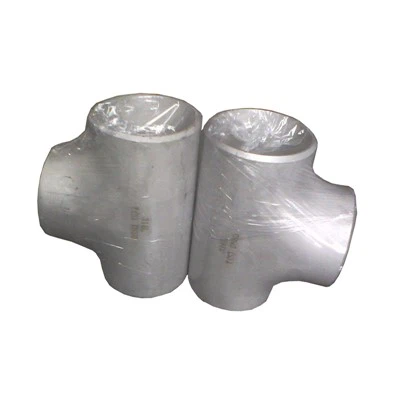
Forged tees are integral components in many industrial piping systems, known for their durability, strength, and precision in manufacturing. As a seasoned forged tee supplier, I often encounter diverse inquiries regarding their applications, one of the most intriguing being their potential use in aerospace applications. This blog post aims to delve into the suitability of forged tees for aerospace engineering, weighing their advantages and limitations.
Materials and Properties of Forged Tees
Forged tees are typically crafted from high-quality materials such as carbon steel, stainless steel, alloy steel, and other specialty metals. The forging process, involving the application of heat and pressure to reshape solids, results in robust and fine - grained metal structures. Carbon steel forged tees, for instance, are renowned for their high tensile strength and exceptional toughness. They can withstand elevated temperatures and high - pressure conditions, which are essential characteristics for many industrial applications.
Stainless steel forged tees, on the other hand, offer superior corrosion resistance. This property makes them ideal for environments where rust and oxidation are concerns. In aerospace, where components are often exposed to harsh conditions, including high humidity, varying temperatures, and even chemical agents at high altitudes, the corrosion resistance of stainless steel forged tees can be a significant asset.
Advantages of Using Forged Tees in Aerospace
- High Strength
Aerospace applications demand components that can endure extreme mechanical stress. Forged tees have an inherent strength advantage due to the forging process. The grains of the metal are streamlined during forging, aligning them in a way that enhances the overall structural integrity of the tee. This means that the forged tees can handle high - pressure fluid or gas flows within the aircraft's piping systems, such as in the hydraulic or fuel delivery systems.
- Precision Machining
My company prides itself on delivering forged tees with tight tolerances. In aerospace, precision is crucial as even the slightest deviation in a component's dimensions can lead to system failures. Our forged tees are machined to exact specifications, ensuring a perfect fit within the aerospace piping network. This precision also helps in maintaining smooth fluid or gas flow, reducing the risk of turbulence and pressure drop.
- Versatility
Forged tees come in a wide range of sizes, shapes, and end connections. Whether it's a 2 Inch Threaded Tee for smaller - scale systems or larger - diameter tees for main pipelines, we can provide suitable options. Different end connections like threaded, socket weld, or butt weld allow for seamless integration with existing or new aerospace piping setups. For instance, the Weldolet Carbon Steel Fittings are excellent choices for applications requiring a strong welded connection.


Concerns and Limitations
- Material Certification and Testing
The aerospace industry is highly regulated, and every component must meet strict material and performance standards. All materials used in forged tees need to be thoroughly tested and certified to ensure they are free from defects such as cracks, porosity, or inclusions. The certification process can be time - consuming and expensive. Additionally, any changes in the forging process or material sourcing may require re - certification, which adds to the overall complexity.
- Weight Considerations
Weight is a critical factor in aerospace design. While forged tees are strong, they can be relatively heavy compared to some other materials or fabrication methods. In an industry where every extra pound can impact fuel efficiency and performance, the weight of forged tees needs to be carefully evaluated. Engineers may need to explore alternative materials or design modifications to balance strength and weight requirements.
- Cost
The manufacturing process of forged tees, especially when catering to the stringent requirements of the aerospace industry, is costly. From the procurement of high - quality raw materials to the advanced machining and testing procedures, every step adds to the final cost. This can make forged tees a less cost - effective option, especially for budget - constrained aerospace projects.
Industry Success Stories and Case Studies
Despite the concerns, there are several instances where forged tees have been successfully used in aerospace applications. Some military aircraft have utilized forged tees in their hydraulic systems. The high - strength and corrosion - resistant properties of these tees have ensured reliable performance even under combat conditions.
In commercial aviation, certain aircraft models have incorporated Single Socket Tee in their secondary fluid systems. The precision and tight seals provided by these tees have contributed to the efficient operation of these systems.
Conclusion
So, can forged tees be used in aerospace applications? The answer is yes, with careful consideration. The high strength, precision machining, and versatility of forged tees make them viable candidates for many aerospace piping systems. However, factors such as weight, cost, and strict regulatory requirements need to be addressed.
As a forged tee supplier, we understand the unique challenges and requirements of the aerospace industry. Our team is well - equipped to work closely with aerospace engineers and decision - makers to provide tailor - made solutions. If you are interested in exploring the potential of forged tees for your aerospace project, I encourage you to reach out for a detailed discussion. We are ready to assist you in finding the optimal forged tee solutions that meet your performance, regulatory, and budgetary needs.
References
- ASM International. "Metals Handbook: Forging."
- Society of Automotive Engineers (SAE). Aerospace material standards and specifications.
- Federal Aviation Administration (FAA). Aviation regulations and safety requirements.