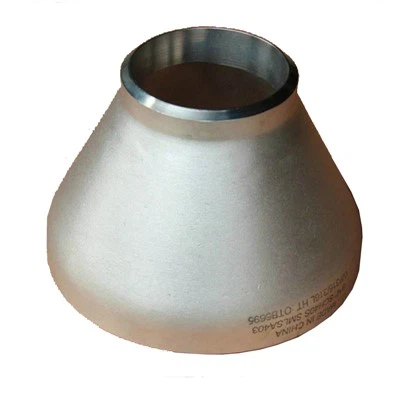
In the world of piping systems, the DN50mm pipe reducer plays a crucial role in connecting pipes of different diameters, ensuring the smooth flow of fluids or gases. However, one of the most significant challenges faced by these components is corrosion. Corrosion not only compromises the structural integrity of the pipe reducer but also leads to leaks, inefficiencies, and increased maintenance costs. As a trusted DN50mm Pipe Reducer [/reducer-pipe-fitting/alloy-steel-reducer/dn50mm-pipe-reducer.html] supplier, we understand the importance of enhancing the corrosion resistance of these products. In this blog, we will explore various strategies to improve the corrosion resistance of a DN50mm pipe reducer.
Understanding Corrosion in Pipe Reducers
Before delving into the solutions, it is essential to understand the types of corrosion that can affect DN50mm pipe reducers. The most common forms of corrosion include:
- Uniform Corrosion: This is the most straightforward type of corrosion, where the entire surface of the pipe reducer deteriorates at a relatively constant rate. It is often caused by exposure to corrosive substances such as acids, alkalis, or salts in the fluid or gas flowing through the pipe.
- Pitting Corrosion: Pitting corrosion occurs when small holes or pits form on the surface of the pipe reducer. These pits can penetrate deep into the material, leading to structural failure. Pitting is typically caused by the presence of chloride ions in the environment.
- Crevice Corrosion: Crevice corrosion happens in narrow gaps or crevices between the pipe reducer and other components, such as flanges or gaskets. The restricted access to oxygen in these areas creates a differential aeration cell, which accelerates corrosion.
- Galvanic Corrosion: Galvanic corrosion occurs when two different metals are in contact with each other in the presence of an electrolyte. The more active metal (anode) corrodes preferentially, while the less active metal (cathode) is protected.
Material Selection
One of the most effective ways to improve the corrosion resistance of a DN50mm pipe reducer is to choose the right material. Different materials have different levels of resistance to corrosion, depending on their chemical composition and microstructure. Here are some common materials used for pipe reducers and their corrosion resistance properties:
- Stainless Steel: Stainless steel is a popular choice for pipe reducers due to its excellent corrosion resistance. It contains chromium, which forms a passive oxide layer on the surface of the material, protecting it from further corrosion. There are different grades of stainless steel, such as 304 and 316, with varying levels of corrosion resistance. Grade 316 stainless steel, which contains molybdenum, is more resistant to pitting and crevice corrosion than grade 304.
- Alloy Steel: Alloy steel is another option for pipe reducers. It is made by adding various alloying elements, such as nickel, chromium, and molybdenum, to carbon steel. These alloying elements enhance the corrosion resistance of the material. Alloy steel pipe reducers are often used in high-temperature and high-pressure applications.
- Plastic: Plastic pipe reducers, such as those made of PVC (polyvinyl chloride) or CPVC (chlorinated polyvinyl chloride), are highly resistant to corrosion. They are lightweight, easy to install, and have a long service life. However, they may not be suitable for high-temperature or high-pressure applications.
Surface Treatment
In addition to material selection, surface treatment can also significantly improve the corrosion resistance of a DN50mm pipe reducer. Surface treatment involves applying a protective coating or layer to the surface of the pipe reducer to prevent or slow down the corrosion process. Here are some common surface treatment methods:
- Painting: Painting is a simple and cost-effective way to protect the pipe reducer from corrosion. A high-quality paint coating can provide a barrier between the material and the corrosive environment. However, the paint coating may require regular maintenance and reapplication to ensure its effectiveness.
- Galvanizing: Galvanizing is a process of coating the pipe reducer with a layer of zinc. Zinc is more active than steel, so it acts as a sacrificial anode, protecting the steel from corrosion. Galvanized pipe reducers are commonly used in outdoor applications or in environments where the risk of corrosion is relatively low.
- Epoxy Coating: Epoxy coating is a more advanced surface treatment method that provides excellent corrosion resistance. Epoxy coatings are applied in multiple layers and can form a thick, durable barrier on the surface of the pipe reducer. They are resistant to a wide range of chemicals and can withstand high temperatures and pressures.
Design Considerations
The design of the DN50mm pipe reducer can also have an impact on its corrosion resistance. Here are some design considerations to keep in mind:


- Smooth Surface Finish: A smooth surface finish can reduce the likelihood of corrosion by minimizing the surface area available for corrosion to occur. It also makes it easier to clean the pipe reducer and remove any corrosive substances that may have accumulated on the surface.
- Avoidance of Crevices: As mentioned earlier, crevice corrosion can be a significant problem in pipe reducers. To minimize the risk of crevice corrosion, the design should avoid creating narrow gaps or crevices between the pipe reducer and other components. This can be achieved by using proper sealing techniques and avoiding the use of gaskets or flanges with sharp edges.
- Proper Drainage: In applications where the pipe reducer is exposed to water or other liquids, proper drainage is essential to prevent the accumulation of corrosive substances. The design should include provisions for drainage, such as weep holes or slopes, to ensure that any liquid can drain away quickly.
Operational and Maintenance Practices
Finally, proper operational and maintenance practices can also help to improve the corrosion resistance of a DN50mm pipe reducer. Here are some tips:
- Regular Inspection: Regular inspection of the pipe reducer is essential to detect any signs of corrosion early. Visual inspection can be used to check for surface damage, such as rust or pitting. Non-destructive testing methods, such as ultrasonic testing or magnetic particle testing, can also be used to detect internal corrosion.
- Cleaning and Flushing: Cleaning and flushing the pipe reducer regularly can help to remove any corrosive substances that may have accumulated on the surface. This can be done using water, detergents, or other cleaning agents.
- Monitoring of Operating Conditions: Monitoring the operating conditions of the pipe reducer, such as temperature, pressure, and flow rate, can help to identify any potential problems. If the operating conditions exceed the design limits of the pipe reducer, it may increase the risk of corrosion.
Conclusion
Improving the corrosion resistance of a DN50mm pipe reducer is essential to ensure its long-term performance and reliability. By choosing the right material, applying appropriate surface treatment, considering the design, and implementing proper operational and maintenance practices, the risk of corrosion can be significantly reduced. As a DN50mm Pipe Reducer [/reducer-pipe-fitting/alloy-steel-reducer/dn50mm-pipe-reducer.html] supplier, we are committed to providing high-quality products that meet the highest standards of corrosion resistance. If you are interested in our 6 Inch To 4 Inch Pipe Reducer [/reducer-pipe-fitting/alloy-steel-reducer/6-inch-to-4-inch-pipe-reducer.html] or 4 To 2 Inch Reducer [/reducer-pipe-fitting/alloy-steel-reducer/4-to-2-inch-reducer.html], please feel free to contact us for more information and to discuss your specific requirements.
References
- Fontana, M. G. (1986). Corrosion Engineering. McGraw-Hill.
- Uhlig, H. H., & Revie, R. W. (1985). Corrosion and Corrosion Control. Wiley-Interscience.
- ASM Handbook, Volume 13A: Corrosion: Fundamentals, Testing, and Protection. ASM International.