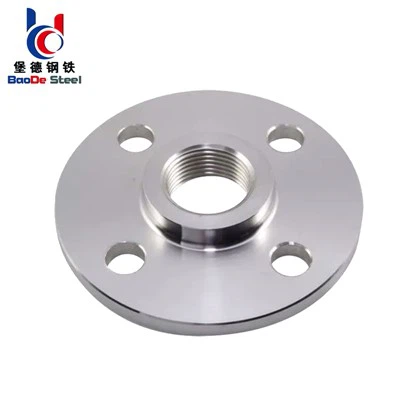
As a supplier of sorf flanges, I understand the critical importance of wear - resistance in these essential components. Sorf flanges, or Slip - On Raised Face Flanges, are widely used in various industries such as oil and gas, chemical processing, and water treatment. Their durability and wear - resistance directly impact the efficiency and safety of the systems they are part of. In this blog, I will share some effective ways to improve the wear - resistance of sorf flanges.
1. Material Selection
The choice of material is the first and most fundamental step in enhancing the wear - resistance of sorf flanges. Different materials have distinct properties that affect their ability to withstand wear.
-
Stainless Steel: Stainless steel is a popular choice for sorf flanges due to its excellent corrosion resistance and relatively good wear - resistance. Grades such as 304 and 316 stainless steel contain chromium, which forms a passive oxide layer on the surface. This layer protects the flange from oxidation and corrosion, reducing the risk of wear caused by chemical reactions. For applications where the flange is exposed to harsh chemicals or high - humidity environments, stainless steel can significantly extend the service life of the flange. You can find a wide range of ANSI B16.5 SORF Flanges made of stainless steel in our product catalog.
-
Alloy Steel: Alloy steels are engineered to have enhanced mechanical properties, including increased wear - resistance. By adding elements such as manganese, nickel, and molybdenum, alloy steels can achieve higher hardness and toughness compared to carbon steel. This makes them suitable for high - stress applications where the flange is subjected to abrasive materials or high - pressure flow. For example, in mining or heavy - machinery industries, alloy steel sorf flanges can better withstand the wear caused by the movement of solid particles in the fluid.
-
Carbon Steel: Carbon steel is a cost - effective option for many applications. However, its wear - resistance can be improved through proper heat treatment. Heat treatment processes such as quenching and tempering can increase the hardness of the carbon steel, making it more resistant to wear. Our ANSI B16.5 Carbon Steel Slip On Raised Face Flanges are available in different heat - treated conditions to meet various wear - resistance requirements.
2. Surface Treatment
Surface treatment is an effective way to enhance the wear - resistance of sorf flanges without changing the base material significantly.
-
Hard Chrome Plating: Hard chrome plating involves depositing a layer of chromium onto the surface of the flange. This layer is extremely hard and has low friction, which reduces wear caused by sliding contact. Hard chrome plating also provides good corrosion resistance, further protecting the flange from environmental factors. However, it is important to ensure that the plating process is carried out correctly to avoid issues such as peeling or cracking of the coating.
-
Nitriding: Nitriding is a heat - treating process that diffuses nitrogen into the surface of the metal. This forms a hard nitride layer on the surface, which significantly improves the wear - resistance, hardness, and fatigue strength of the flange. Nitriding can be applied to various materials, including stainless steel, alloy steel, and carbon steel. It is particularly suitable for applications where the flange is exposed to high - temperature and high - stress conditions.
-
Ceramic Coating: Ceramic coatings offer excellent wear - resistance and thermal insulation properties. They can be applied to the surface of the flange to create a hard, smooth, and chemically inert layer. Ceramic coatings are resistant to abrasion, erosion, and corrosion, making them ideal for applications in harsh environments. For example, in the aerospace or power generation industries, ceramic - coated sorf flanges can withstand the extreme conditions of high - speed gas flow and high - temperature combustion.
3. Design Optimization
The design of the sorf flange also plays a crucial role in its wear - resistance.

-
Proper Fit and Alignment: Ensuring a proper fit between the flange and the mating components is essential. A loose fit can cause excessive movement and vibration, leading to increased wear. On the other hand, an overly tight fit can cause stress concentration and premature failure. Precise machining and accurate alignment during installation can minimize these issues. For example, using alignment tools and following the manufacturer's installation guidelines can help achieve a proper fit.
-
Flange Geometry: The geometry of the flange, such as the thickness, diameter, and the shape of the raised face, can affect its wear - resistance. A thicker flange can generally withstand more stress and wear. The shape of the raised face should be designed to distribute the load evenly, reducing the risk of localized wear. For instance, a well - designed raised face can prevent the formation of stress concentrations at the edges of the flange.
-
Sealing Design: A good sealing design can prevent the leakage of fluids, which can cause corrosion and wear over time. Using high - quality gaskets and proper sealing techniques can ensure a tight seal between the flange and the mating components. This not only improves the wear - resistance but also enhances the overall performance and safety of the system.
4. Operational and Maintenance Practices
Proper operational and maintenance practices can significantly extend the wear - life of sorf flanges.
-
Regular Inspection: Regularly inspecting the flanges for signs of wear, corrosion, or damage is crucial. This allows for early detection of potential issues and timely replacement or repair. Inspections can include visual checks, non - destructive testing methods such as ultrasonic testing or magnetic particle testing, and measurement of key dimensions.

-
Lubrication: In applications where the flange is subjected to sliding or rotating contact, proper lubrication can reduce friction and wear. Using the appropriate lubricant and applying it at the right intervals can help maintain the smooth operation of the flange and extend its service life.
-
Cleaning: Keeping the flanges clean can prevent the accumulation of dirt, debris, and corrosive substances. Regular cleaning can be carried out using appropriate cleaning agents and tools, depending on the type of material and the nature of the contaminants.
5. Quality Control in Manufacturing
As a sorf flange supplier, strict quality control in the manufacturing process is essential to ensure the wear - resistance of the products.
-
Raw Material Inspection: Thoroughly inspecting the raw materials before manufacturing is the first step in quality control. This includes checking the chemical composition, mechanical properties, and surface quality of the materials. Only high - quality raw materials should be used to produce sorf flanges.
-
Precision Machining: Using advanced machining techniques and equipment can ensure the accuracy and consistency of the flange dimensions. Precision machining reduces the risk of uneven wear and improves the overall performance of the flange.
-
Final Inspection: After manufacturing, a comprehensive final inspection should be carried out. This includes checking the surface finish, hardness, and other physical properties of the flange. Only flanges that meet the specified quality standards should be released for sale.
In conclusion, improving the wear - resistance of sorf flanges requires a comprehensive approach that includes material selection, surface treatment, design optimization, operational and maintenance practices, and strict quality control in manufacturing. By implementing these measures, we can provide our customers with high - quality sorf flanges that offer long - lasting performance and reliability.
If you are interested in our 6 Inch Slip on SO Flanges or other sorf flange products, or if you have any questions about improving wear - resistance, please feel free to contact us for further discussion and procurement. We are committed to providing you with the best solutions for your specific needs.
References
- ASME B16.5 - 2017, Pipe Flanges and Flanged Fittings: NPS 1/2 Through NPS 24 Metric/Inch Standard.
- ASTM A105/A105M - 20, Standard Specification for Carbon Steel Forgings for Piping Applications.
- ISO 7005 - 1:2011, Metallic Flanges - Part 1: Steel Flanges.