Can a gas pipe reducer be used in a factory gas system?
In the intricate web of a factory's gas system, the role of various components cannot be overstated. One such component that often sparks curiosity is the gas pipe reducer. As a supplier of Gas Pipe Reducer, I am frequently asked whether these reducers can be effectively used in a factory gas system. In this blog post, I will delve into the technical aspects, safety considerations, and practical applications to provide a comprehensive answer.
Technical Feasibility
Factory gas systems operate under specific pressure, flow rate, and temperature conditions. Gas pipe reducers are designed to change the diameter of a pipeline, which can have a significant impact on these parameters. From a technical perspective, a gas pipe reducer can be used in a factory gas system as long as it is properly sized and installed.
The key to successful integration lies in understanding the hydraulic principles at play. When a gas flows through a pipe, its velocity, pressure, and flow rate are interconnected. A reducer can be used to increase the velocity of the gas by reducing the cross - sectional area of the pipe. According to the principle of continuity (Q = A1V1=A2V2, where Q is the volumetric flow rate, A is the cross - sectional area, and V is the velocity), when the area decreases, the velocity must increase to maintain the same flow rate.
However, this increase in velocity can lead to a decrease in pressure, as described by Bernoulli's equation. Therefore, it is crucial to carefully calculate the pressure drop across the reducer to ensure that it does not compromise the overall performance of the gas system. This requires a detailed understanding of the gas properties, such as density and viscosity, as well as the operating conditions of the factory.
Safety Considerations
Safety is of utmost importance in any factory gas system. Gas leaks, explosions, and fires are potential hazards that must be mitigated. Gas pipe reducers, when properly installed and maintained, can contribute to the safety of the system.
One of the main safety concerns is the integrity of the connections. Reducers typically have threaded or welded connections, and it is essential to ensure that these connections are tight and leak - free. Regular inspections and pressure tests should be conducted to detect any potential leaks.
Another safety aspect is the material selection. Factory gas systems often handle a variety of gases, some of which may be corrosive or flammable. The gas pipe reducers should be made of materials that are resistant to corrosion and can withstand the operating conditions. For example, stainless steel is a popular choice for its corrosion resistance and durability.
In addition, the design of the reducer should prevent the accumulation of debris or gas pockets, which could lead to blockages or uneven flow. This can be achieved through proper sizing and the use of smooth - walled reducers.
Practical Applications
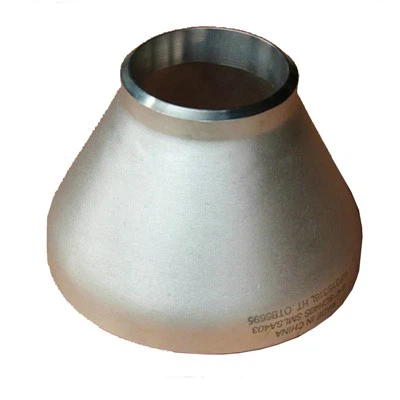
Gas pipe reducers have several practical applications in a factory gas system. One common use is in the distribution of gas from a main pipeline to smaller branches. For example, a 3 Inch To 2 Inch Reducer can be used to connect a larger main pipeline to a smaller branch pipeline, allowing for a more efficient distribution of gas to different parts of the factory.
Reducers can also be used to adapt to different equipment requirements. Some gas - powered equipment may have specific inlet or outlet pipe sizes, and a reducer can be used to match these sizes with the existing gas pipeline. For instance, a 2in To 1 Inch Reducer can be used to connect a larger pipeline to a piece of equipment with a smaller inlet.
In addition, gas pipe reducers can be used to optimize the flow of gas in the system. By carefully selecting the size of the reducer, it is possible to control the velocity and pressure of the gas, which can improve the efficiency of the equipment and reduce energy consumption.

Compatibility with Existing Systems
When considering using a gas pipe reducer in a factory gas system, it is important to ensure compatibility with the existing infrastructure. This includes the pipe material, connection type, and overall system design.
The material of the reducer should be compatible with the material of the existing pipes. For example, if the existing pipes are made of carbon steel, a carbon steel reducer may be the most suitable choice to avoid galvanic corrosion.
The connection type of the reducer should also match the connection type of the existing pipes. Whether it is threaded, welded, or flanged connections, proper alignment and sealing are essential to prevent leaks.
Furthermore, the overall system design should be taken into account. The installation of a reducer may require modifications to the pipeline layout, supports, or valves. It is important to consult with a professional engineer to ensure that the installation is carried out safely and effectively.
Maintenance and Monitoring
Once a gas pipe reducer is installed in a factory gas system, regular maintenance and monitoring are necessary to ensure its continued performance and safety.

Maintenance tasks may include visual inspections for signs of corrosion, damage, or leaks. The connections should be checked periodically to ensure they are tight and secure. In addition, the reducer may need to be cleaned to remove any debris or deposits that could affect its performance.
Monitoring the pressure and flow rate of the gas system is also crucial. Any significant changes in these parameters could indicate a problem with the reducer or the overall system. By using pressure sensors and flow meters, it is possible to detect and address issues before they become serious.
Conclusion
In conclusion, a gas pipe reducer can be used in a factory gas system, provided that it is properly sized, installed, and maintained. The technical feasibility depends on a thorough understanding of the hydraulic principles and the operating conditions of the system. Safety considerations, such as connection integrity and material selection, are also paramount.
Gas pipe reducers offer several practical applications, including gas distribution, equipment adaptation, and flow optimization. Compatibility with the existing system infrastructure is essential, and regular maintenance and monitoring are necessary to ensure long - term performance.
If you are considering using gas pipe reducers in your factory gas system, I encourage you to reach out to discuss your specific requirements. Our team of experts can provide you with detailed technical advice and help you select the most suitable reducers for your needs. Whether it is a 3 Inch To 2 Inch Reducer, a 2in To 1 Inch Reducer, or any other size, we have the products and expertise to support your project. Let's start the conversation and find the best solutions for your factory gas system.

References
- Crane Technical Paper 410: Flow of Fluids Through Valves, Fittings, and Pipe.
- ASME B31.3: Process Piping Code.
- API 520: Sizing, Selection, and Installation of Pressure - Relieving Devices in Refineries.