Maintaining a gas pipe reducer is crucial for ensuring the safe and efficient operation of any gas system. As a trusted gas pipe reducer supplier, I understand the importance of proper maintenance to extend the lifespan of these essential components and prevent potential hazards. In this blog post, I will share some valuable insights on how to maintain a gas pipe reducer effectively.
Understanding Gas Pipe Reducers
Before delving into maintenance tips, it's essential to have a basic understanding of gas pipe reducers. A gas pipe reducer is a fitting used to connect two pipes of different diameters in a gas pipeline system. They are commonly made from materials such as stainless steel, carbon steel, or brass, each offering unique properties suitable for various applications.
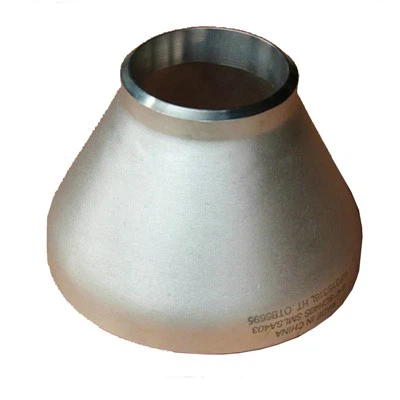
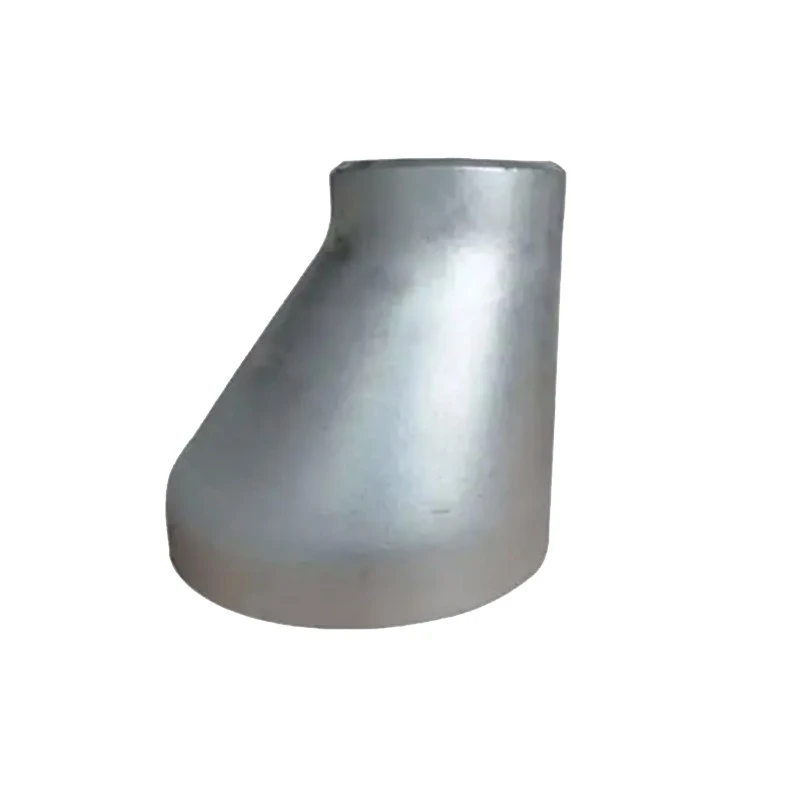
Gas pipe reducers play a vital role in regulating the flow of gas within a pipeline, ensuring that the pressure and volume of gas are properly controlled. They are available in different sizes and configurations, including concentric and eccentric reducers, to accommodate specific installation requirements. For instance, a 3 Inch To 2 Inch Reducer is used to connect a 3-inch pipe to a 2-inch pipe, while a 2in To 1 Inch Reducer serves a similar purpose for 2-inch and 1-inch pipes.
Regular Inspection
Regular inspection is the cornerstone of gas pipe reducer maintenance. By conducting routine checks, you can identify potential issues early on and take appropriate measures to prevent them from escalating into major problems. Here are some key aspects to consider during inspections:
Visual Inspection
Start by visually examining the gas pipe reducer for any signs of damage, corrosion, or wear. Look for cracks, dents, or leaks along the body of the reducer and at the connection points. Pay close attention to areas where the reducer is exposed to moisture or harsh environmental conditions, as these are more prone to corrosion.
Pressure Testing
Periodically perform pressure tests to ensure that the gas pipe reducer can withstand the operating pressure of the gas system. Use a pressure gauge to measure the pressure within the pipeline and compare it to the recommended operating pressure. If the pressure exceeds the specified limits, it could indicate a problem with the reducer or other components in the system.
Leak Detection
Check for gas leaks using a leak detection solution or a gas detector. Apply the solution to the connection points and joints of the gas pipe reducer and look for bubbles, which indicate the presence of a leak. If a leak is detected, immediately shut off the gas supply and repair the affected area before restoring the flow of gas.

Cleaning and Lubrication
Proper cleaning and lubrication are essential for maintaining the performance and longevity of gas pipe reducers. Over time, dirt, debris, and corrosion can accumulate on the surface of the reducer, affecting its functionality and causing premature wear. Here's how you can clean and lubricate your gas pipe reducers effectively:
Cleaning
Use a mild detergent and water solution to clean the exterior of the gas pipe reducer. Gently scrub the surface with a soft brush to remove any dirt or debris. Rinse the reducer thoroughly with clean water and dry it with a clean cloth. Avoid using abrasive cleaners or tools, as these can damage the surface of the reducer and cause corrosion.
Lubrication
Apply a thin layer of lubricant to the threads and sealing surfaces of the gas pipe reducer to prevent corrosion and ensure a tight seal. Use a lubricant specifically designed for gas pipe fittings, such as Teflon tape or pipe joint compound. Follow the manufacturer's instructions for applying the lubricant and ensure that it is evenly distributed.
Proper Installation
Proper installation is crucial for the safe and efficient operation of gas pipe reducers. Incorrect installation can lead to leaks, pressure drops, and other problems that can compromise the integrity of the gas system. Here are some important installation tips to keep in mind:
Choose the Right Size and Type
Select a gas pipe reducer that is the correct size and type for your application. Consider the diameter, pressure rating, and material compatibility of the reducer to ensure that it meets the requirements of your gas system. Refer to the manufacturer's specifications and guidelines for proper sizing and selection.
Follow Installation Instructions
Carefully follow the installation instructions provided by the manufacturer. Use the appropriate tools and techniques to install the gas pipe reducer correctly. Ensure that the reducer is properly aligned and tightened to prevent leaks. Avoid over-tightening the fittings, as this can damage the threads and cause leaks.
Use Sealing Materials
Use high-quality sealing materials, such as gaskets or O-rings, to ensure a tight seal between the gas pipe reducer and the pipes. Make sure the sealing materials are compatible with the gas being transported and the operating conditions of the system. Replace any worn or damaged sealing materials regularly.
Training and Education
Proper training and education are essential for anyone involved in the installation, maintenance, and operation of gas pipe reducers. By providing comprehensive training to your employees or contractors, you can ensure that they have the knowledge and skills necessary to perform their tasks safely and effectively. Here are some key areas to cover in training programs:
Gas Safety Regulations
Familiarize your employees with the relevant gas safety regulations and standards. Ensure that they understand the importance of following these regulations to prevent accidents and protect the environment. Provide regular updates on any changes to the regulations to keep your team informed.
Installation and Maintenance Procedures
Train your employees on the proper installation and maintenance procedures for gas pipe reducers. Cover topics such as sizing, selection, installation techniques, cleaning, lubrication, and inspection. Provide hands-on training opportunities to allow your employees to practice these skills in a safe environment.
Emergency Response
Develop an emergency response plan for dealing with gas leaks or other emergencies. Train your employees on how to recognize the signs of a gas leak, how to shut off the gas supply, and how to use emergency equipment such as fire extinguishers and gas detectors. Conduct regular drills to ensure that your team is prepared to respond quickly and effectively in case of an emergency.

Conclusion
Maintaining a gas pipe reducer is essential for ensuring the safe and efficient operation of any gas system. By following the tips outlined in this blog post, you can extend the lifespan of your gas pipe reducers, prevent potential hazards, and minimize downtime. Remember to conduct regular inspections, clean and lubricate your reducers, install them properly, and provide training and education to your employees.
If you are in need of high-quality gas pipe reducers or have any questions about maintenance, feel free to contact us for more information. Our team of experts is dedicated to providing you with the best products and services to meet your needs.

References
- ASME B31.8: Gas Transmission and Distribution Piping Systems
- API 5L: Specification for Line Pipe
- NACE MR0175/ISO 15156: Petroleum and Natural Gas Industries - Materials for Use in H2S-Containing Environments in Oil and Gas Production
- OSHA 29 CFR 1910.119: Process Safety Management of Highly Hazardous Chemicals